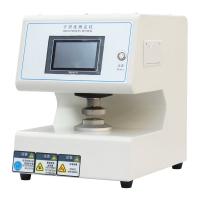
Smoothness is an indicator for evaluating the concave and convex degree of the paper surface. The upper smoothness is used with a Buick (Bekk) smoothness meter. The method is. Place the paper strip on the Glass anvil, and then cover it tightly with a gland. The air enters the cylinder from the paper surface and the Glass anvil, and the intake air volume is 10ml. When the paper surface is smoother and the closer it is in contact with the Glass, the slower the air enters, and the longer the time required. On the contrary, the rougher the paper surface, the faster the air enters, and the shorter the time required. The unit is: s (seconds). The smoothness of newsprint is 30s, and that of coated paper is above 600s. Smoothness is different from glossiness. The former refers to the smoothness of the paper surface, and the latter is the reflection of the paper facing light. Printing paper with good smoothness does not necessarily have high glossiness. A good Printing paper requires a certain smoothness, but does not require high glossiness. Because the smoothness means that the paper surface is uniform and flat without deep sinkage, if the sinkage exceeds the Film thickness of the ink film, the Paper is difficult to have good contact with the printing plate, resulting in unclear imprinting. Therefore, smoothness is an important indicator that affects Printing.
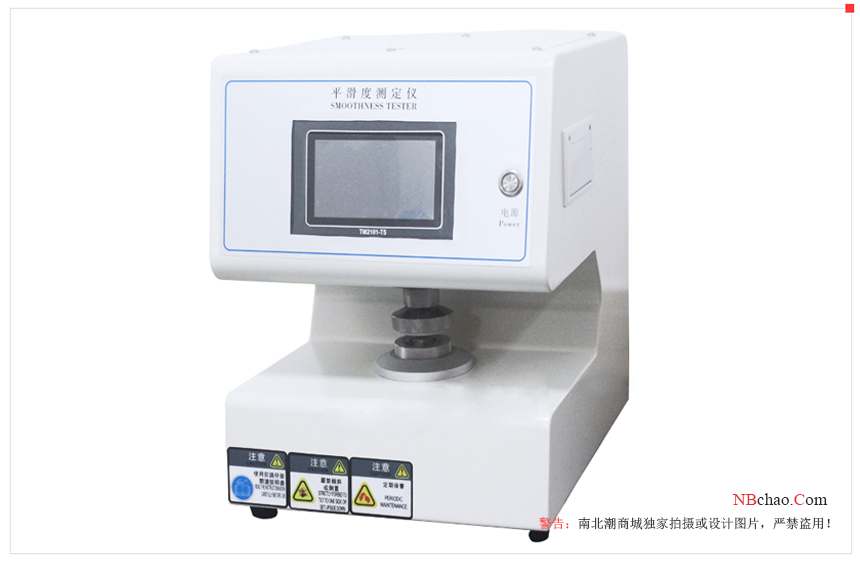
Paper with different smoothness is suitable for different Printing methods and Printing products. Generally speaking, low-smoothness paper is mostly used for Printing text and line charts, which can appropriately increase the Printing pressure and increase the flowability of Printing ink to make up for the defects of uneven paper surface; medium-smoothness paper is used for graphic Printing with rough screen lines; high-smoothness paper is used for image printing with thin screen lines.