The ash content in paper varies with different paper types, the ash content of uncoated printing paper is low, and the ash content of coated printing paper is high. The sources of ash in paper are nothing more than: residues of fillers, coatings and chemical additives added to paper; inorganic substances contained in fiber raw materials (especially grass); tiny impurities brought in by papermaking pipes ,etc. As far as printing paper is concerned, the ash content: newsprint is less than 5%; offset book paper is about 10% ~ 20%; coated paper is 20% ~ 45%.
In uncoated printing paper, the ash mainly comes from fillers. The impact of high or low content on the performance of paper is: whenever the ash content increases, the mechanical strength and surface strength of the paper will decrease, and the opacity and tightness will increase; when the ash content decreases, the first two indicators will increase instead. The latter two are reduced. Coated drama paper has more ash and more complex composition.
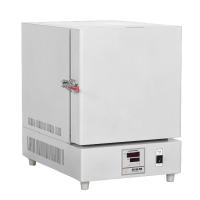
The method for measuring the ash content is to weigh a certain amount of air-dried paper sample, put it into a pre-burned pot to constant weight, and carefully burn it on an electric furnace to carbonize it. Then weigh it into a high-temperature furnace (muffle furnace), and treat it at a high temperature of 900°C to 950°C for several hours until there is no black residue in the crucible. Take out the cochlea and place it in a desiccator to cool for 45 minutes, and weigh it to a constant weight. Calculate it again. Its calculation only needs to divide the change of mass after burning by the mass of paper sample (g) to get the ash content (% ) .