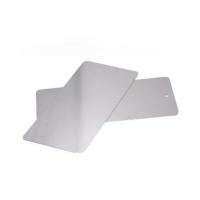
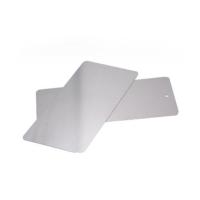
Tin- plated steel sheet, referred to as tin-plated sheet for short, commonly known as tinplate, is a low-carbon thin steel sheet coated with tin on both sides. The ones plated by hot-dip process are called hot-dip tinplates; the ones plated by electroplating are called electro-tinplates. The electroplated tinplate without coating is called electroplated iron; the electroplated tinplate with coating is called painted pot plate (coated iron).
(1) Structure of tinplate
Tin plate is composed of five layers of steel base, tin-iron alloy, tin layer, oxide film and oil film.
( 2 ) Properties of tinplate
①Mechanical properties: The original tin-plated plate must have certain mechanical strength, excellent formability and shape stability, and be able to withstand the forming process of making empty cans and other products.
Rockwell Hardness Tester is used to measure its hardness, tensile test and elastic test are used to measure its forming characteristics, and cupping test is mainly used to measure the plasticity and ductility of sheet metal. Corrosion resistance is an important property of tinplate. Plated plates are widely used as food cans and other containers. Because there are many types of food, their corrosion has different characteristics, and there are also different requirements for the corrosion resistance of plated plate containers. Therefore, tinned plates are required to be suitable for various contents. corrosion resistance.
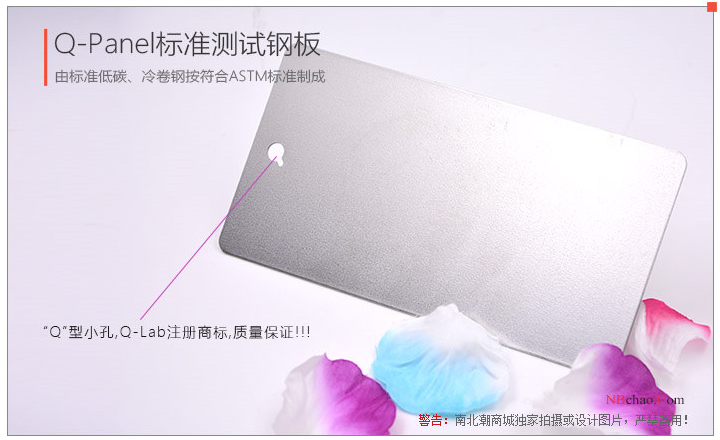
② Surface properties: The properties determined by the surface state of the tinplate include corrosion resistance, coating film adhesion, solderability, etc.
In order to prevent the appearance of the galvanized plate from corrosion, rust or discoloration, and from the consideration of saving tin and decoration, the galvanized plate can be painted and printed with various paints. When finishing with paint, the surface of the galvanized plate is "dewetting" to the repelling phenomenon of the paint. When this kind of dewetting defect is very small, it is called a hole. The factors affecting the finish are the adhesion of the paint, the finishing conditions and the surface state of the galvanized plate. The only factors that affect the coating on the galvanized version are the amount of oil on the surface, the type of oil applied and the passivation treatment method.
The adhesion between the galvanized plate and the coating film is called the coating film adhesion of the galvanized plate. In order to obtain good adhesion, the choice of paint, the finish of the galvanized plate, the state and quantity of tin oxide film are all influencing factors.