Packaging plays an important role in enhancing product appearance and quality. Packaging helps to present products beautifully in the market and keeps them safe during transportation, storage and warehousing. In addition, packaging helps to provide information about the ingredients of the product. One of the important industries in which packaging plays an important role is the pharmaceutical industry. This is one of the major sectors where manufacturers not only place emphasis on maintaining product quality, but also invest a lot of time, money and resources in product packaging to safely deliver the product to the consumer.
The Role of Packaging in the Pharmaceutical Industry
It protects the product from various environmental factors such as air, heat, dust, pollution and others
Help identify medications.
Helps deliver accurate doses to patients.
Ensuring the safety of medications, especially when transporting and storing etc.
Types of Packaging Products Used in the Pharmaceutical Industry
Some commonly used packaging methods in the pharmaceutical industry include aerosol packs, PET bottles, blister packs, tubes, sachets, kegs, etc. The strength of packaging materials used in the pharmaceutical industry can be measured by testing the performance of the packaging product.
PET bottles – source of suitable packaging
One of the widely used packaging materials in the pharmaceutical industry is PET bottles for packaging liquids, syrups, supplements, glucose solutions, etc. With the widespread use of PET bottles in the pharmaceutical industry, it is necessary to ensure the quality of PET bottles before using them for PET bottle filling. One of the main characteristics of PET bottles that explains the quality of the bottle is the uniform wall thickness.
Application of Wall Thickness Gauge
PET and preform industry – for thickness measurement of PET bottles
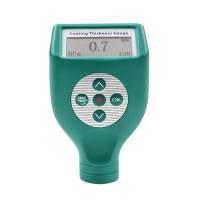
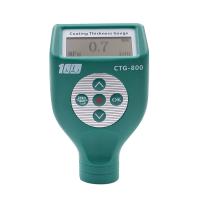
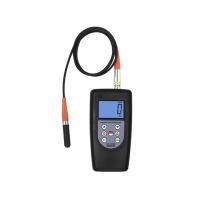
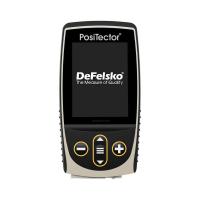
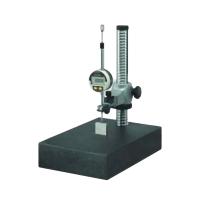
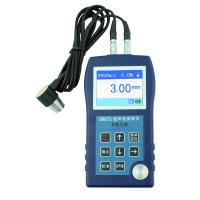
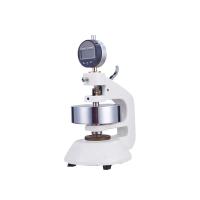
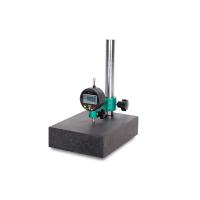
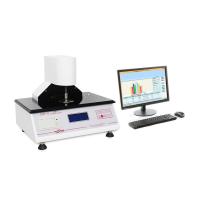
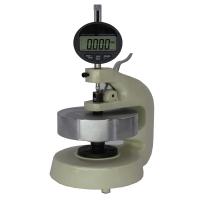
Wall Thickness Gauges are used in the PET industry to test the wall thickness of pet bottles. For the test, a target ball or steel ball is kept in the container while a magnetic witness is placed outside the sample with the outer surface corresponding to the target ball to attract the target ball chamber. A sensor inside the probe detects the difference between the ball and the probe and displays the thickness on a digital display. In order to measure the thickness from all angles, curves and edges of the bottle, the wall and probe need to be rotated throughout the container, and if there is any change in the displayed results, it means that there is a thickness defect in the sample.