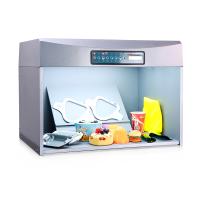
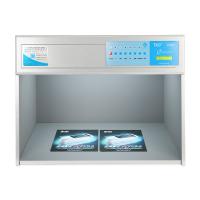
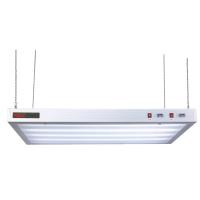
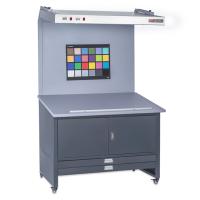
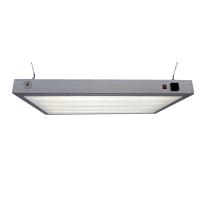
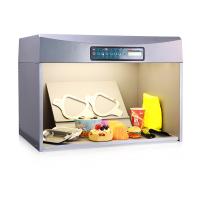
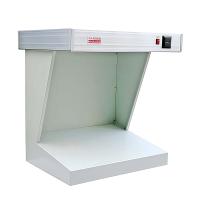
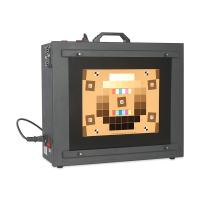
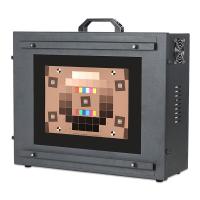
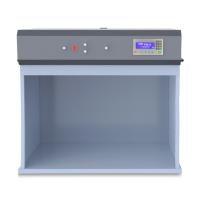
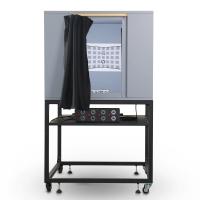
In daily experiments, when using color-matched light boxes, due to some details, some of them do not meet the color standards, which will adversely affect subsequent production. Here are 7 key steps to using a color-matched lightbox.
Key Step 1: Viewing Angle
According to international standards, only two viewing angles are available:
A zero-degree light source, 45-degree observation (0°-45°), that is, the light source illuminates the sample from zero (vertical) incident angle, and the observer observes the sample from 45 degrees.
b light source, inclined at 45 degrees. 45 degree light source, zero degree observation (0°-45°), in this layout, the light source is illuminated from 45 degrees using a specific 45 degree angle table (45° fixed angle table), and the observer samples from zero (vertical).
Key step 2: 45° light source detection sample placement
No matter which observation method is used, it is necessary to detect as many samples as possible in the middle of the color room to reduce the influence of external light sources. Also, remember: when you need to compare the colors of two or more objects, you should also try not to overlap them. Better to put them side by side for comparison.
Key Step 3: Environmental Factors in Color
All external light that has the opportunity to shine on the test specimen needs to be avoided. If the window is in view, it should also be covered with a gray curtain, so it is desirable to use a colored light box in a dark room. Another point that is often overlooked is that no other debris should be placed on the colored light box.
Key Step 4: Convert Light Source Requirements
According to the experience of daily life, in our eyes, it is like having a register. When the color changes in a very short time, we can clearly feel it. Therefore, when observing metamerism, if you want to change the light source, you need to do it immediately. Not like the light tubes we use every day. Goes high after blinking because it irritates the eyes. system, affecting the review results.
Key Step 5: Testing Metamerism Capability
The so-called metamerism effect means that under a specific light source, the color displayed by the sample is the same as the required color, but under another light source, the color difference is unacceptable. Under the D65 light source, the color has no difference from the standard color, but under the A light source, the sample color is unacceptable. Therefore, all equipment for color light sources needs to be equipped with two or more light sources to test the same color effect.
Key Step 6: Light Arrangement
Although there are no special requirements for the arrangement of the lights, the position of the lights needs to be a uniform light source in the color matching cabinet, and must not be biased towards a certain area.
Key Step 7: Record time spent on standard bookings
All standard color-to-color light sources are also produced from lamps or bulbs, and manufacturers also specify that their products operate for a certain amount of time and that their product quality is maintained within acceptable tolerances. Therefore, an accurate time Recorder is required. Typically, these reservations need to be replaced if they are used for more than 2000 hours or a year.