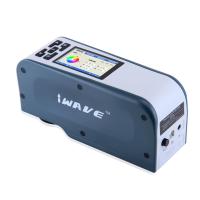
The color fastness of textiles refers to the degree of fading of dyed or printed fabrics affected by external factors (including extrusion, friction, washing, showers, exposure, light, immersion in sea water, immersion in saliva, water stains, perspiration, etc.). It is an important indicator of textiles during use or processing. The product has good color fastness, and it is not easy to lose color during processing or use; otherwise, it will appear in the state of falling or discoloration, and cause a lot of trouble.
The common problems of color fastness of textiles are as follows:
1. The light fastness is not up to standard: during the dressing process, the color of the clothes exposed to the sun starts to lighten or change color (usually the back and shoulders), and the color is constant or discolored when there is no or little exposure shallow. People don't use products with different color depths.
2. Color fastness to washing, soaping and dry cleaning are not up to standard: most silk, wool and cotton clothes are prone to such problems after washing clothes after fading.
3. The color fastness to rubbing is not up to standard: T-shedding during use, different parts have different degrees of fading, and the parts that are most prone to fading are coats, sleeves, elbows, collars and armpits. The hips and knees of the pants.
The color fastness of the product is poor, which brings bad shopping experience to consumers and bad influence on the public reputation of the brand. In order to reduce this negative impact to the lowest level, strict color fastness testing should be carried out when the product leaves the factory.