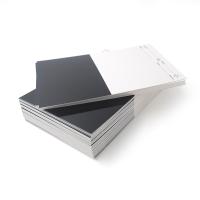
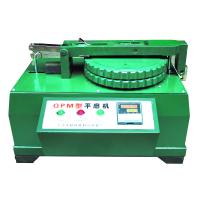
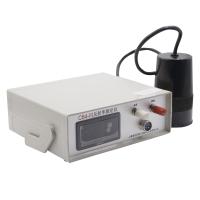
Pigment is a fine powder substance, generally insoluble in water, oil and solvents. It can be used to paint the desired color, increase the thickness of the paint, improve the mechanical properties of the coating, prevent ultraviolet rays from penetrating the paint film, delay aging, cover surface defects, and some have anti-rust and chemical corrosion resistance, etc. effect. The main properties of pigments are:
( l ) the color of the pigment
The color of a pigment is the result of its selective absorption of components of white light. Color is determined by the length of light waves, and these different wavelengths produce various colors through the reflection of people's eyes.
(2) Tinting strength
The ability of two pigments to mix to produce color intensity. In addition to the different pigment components, the coloring strength is also closely related to the particle size of the pigment. The finer the particles, the higher the degree of dispersion, and the stronger the coloring power.
(3) Hiding power
It is the ability of color to cover the underlying surface. How well the surface is covered by the pigment determines the difference between the light resolution of the sub-pigment and the oil, the larger the difference, the better the hiding power.
(4) Corrosion resistance
Some pigments can improve the anti-corrosion performance of the paint and prolong the service life of the object.
(5) Light resistance and weather resistance
Under the action of light and atmosphere, the color and performance of the pigment will change to varying degrees, and the impurities and moisture in the pigment can accelerate or aggravate the darkening phenomenon. Some pigments have the ability to absorb ultraviolet light, so it helps to improve the weather resistance of the coating film.