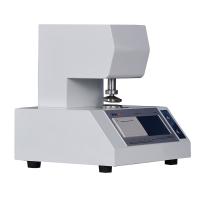
To the average employee, one piece of paper is likely to be the same as the next, so consideration usually ends with a price tag. In fact, paper quality not only makes the finished work pop and look better, it also reduces the amount of wear and tear on your printing equipment, saving you money in the long run. One of the properties important for this purpose is paper smoothness.
smoothness
As its name suggests, paper smoothness refers to the evenness of the surface of the paper. Factors that affect the smoothness of the finished paper include the type of material used to manufacture the paper and the surface treatment it receives in the post-production stages. The latter is mostly how much wet pressure it receives, what type of coating it uses, and how much calendar it performs.
Greater smoothness is beneficial in many ways. First, the enhanced smoothness reduces the amount of wear that occurs when passing through a printing device. In turn, this may result in fewer printer jams, resulting in less lost productivity and even avoiding damage to the printer itself. Smoother also allows you to print more pages on the same cartridge. Smoother paper enhances toner absorption and adhesion, which requires less ink to create a good image or text.
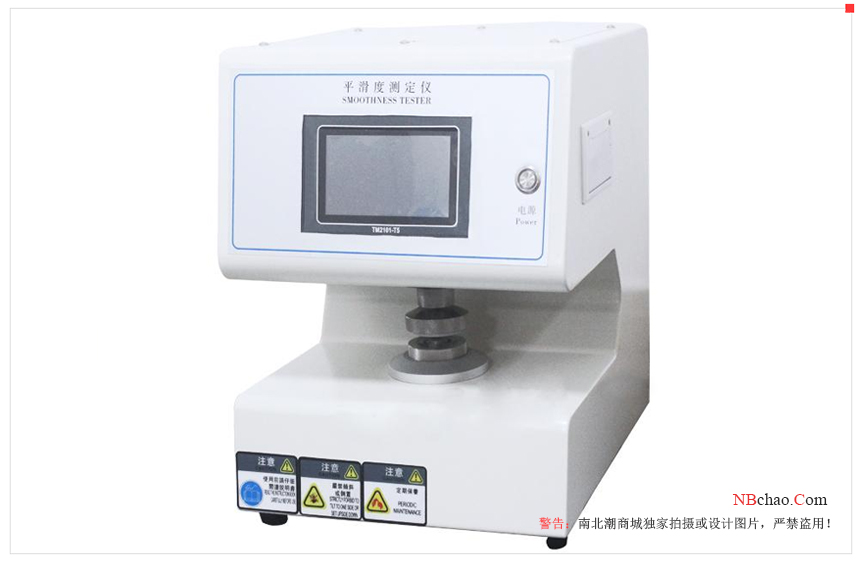
Test paper smoothness
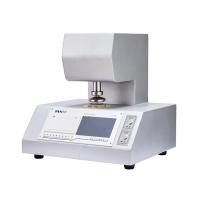
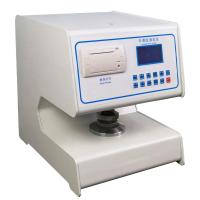
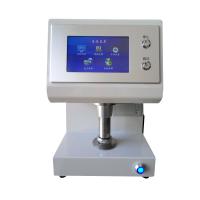
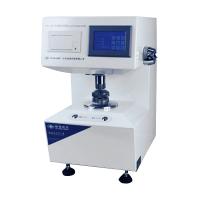
A common method used by the printing industry to achieve the value shown on the packaging is the air leak test. This test is done by measuring the amount of air leaking between the smooth surface and the paper. Several separate methods exist, including:
smoothness Tester
This gadget involves placing the paper on a flat plate and pulling air through it in a partial vacuum.
Bend Smoothness Tester
Like Bekk in most respects, this method does not use a vacuum in its process.
Sheffield smoothing scale
This device uses a gauge float that moves up and down to indicate the amount of air transfer between the paper surface and the gauge head.
Test paper smoothness yourself
While the values listed on the side of the paper packet are usually a suitable source of information to rely on, it is very easy to verify the contents by testing the paper yourself. Get a sheet of paper from three or four different brands without looking at the smoothness value listed on the outer packaging. Run each sheet through your fingers, and notice how smooth and even each feels, and how easier it is to run through your fingers. Number the sheets from good to worst and compare the results to each table's smoothness number.
While brightness and opacity may reign supreme when it comes to the look of your finished document, its smoothness is key in how economical your printing process is. Choosing a paper with a high smoothness value can easily save you money when it comes to equipment maintenance and chalk usage.