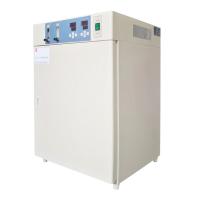
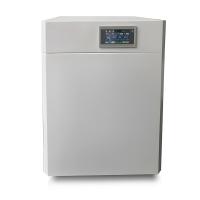
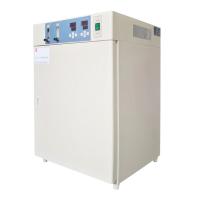
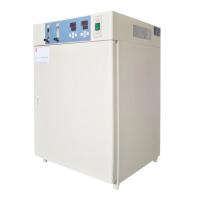
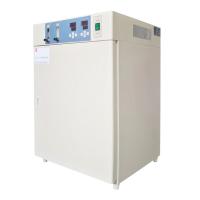
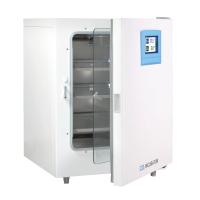
A laboratory Incubator is a warm, isolated box used to develop and maintain microbial or cell cultures. The Incubator controls the proper temperature, humidity and gas content of the room atmosphere. Some Incubators consist of a programmable timer that may be fixed to a cycle with various temperature and humidity set points. The dimensions of the device vary from desktop to desktop.
A laboratory Incubator is an essential tool for any laboratory to control cell and tissue culture performance. The Incubator protects cells from changes in temperature, humidity, CO2 and O2 changes. Temperature can be managed with water or air jackets. Consistent humidity is controlled by a humidity tank and the fan is set for O2 circulation. Interchangeable and standard CO2 Incubators are maintained using thermal conductivity or infrared sensors.
Incubation can be associated with hybridization in a hybridization oven or mixing in an Incubator shaker or Water Bath. The essential factors to look out for when purchasing an Incubator are avoidance of sample scarcity and media evaporation, infection prevention and ease of decontamination, energy efficiency, variable oxygen control, and temperature, humidity and CO2 control.
Standard Incubators are insulated boxes with adjustable heaters, usually up to 60 to 65 °C (140 to 150 °F), but some may be slightly higher (generally not exceeding 100 °C). Taller Incubators also maintain the ability to reduce temperature (through refrigeration), or control humidity or carbon dioxide levels. This is important for the culture of mammalian cells, which are typically maintained at +80% relative humidity to prevent evaporation, while a slightly acidic pH is achieved by maintaining a 5% carbon dioxide level.
Laboratory Incubator Types
standard Incubator
cooling Incubator
Humidity Incubator
Shake the Incubator
hybrid Incubator
Application of laboratory Incubator
Laboratory Incubators provide a controlled, contamination-free surrounding environment for intact, stable cell and tissue cultures by regulating conditions such as temperature, humidity, and CO2. Microbial Incubators are used for the growth and storage of bacterial cultures.
Categories and capacities flourish, including dry bath Incubators with single or double blocks, biological oxygen demand (BOD) units ideal for insect or plant research, shaking Incubators, hybridization ovens, bioreactors and various laboratories testing room. Finding the exact size for your operation is a simple task, with sizes ranging from small tabletop units to room sizes. Laboratory Incubators are essential for cell and tissue culture, biochemical and hematological research, pharmaceutical work and food analysis.
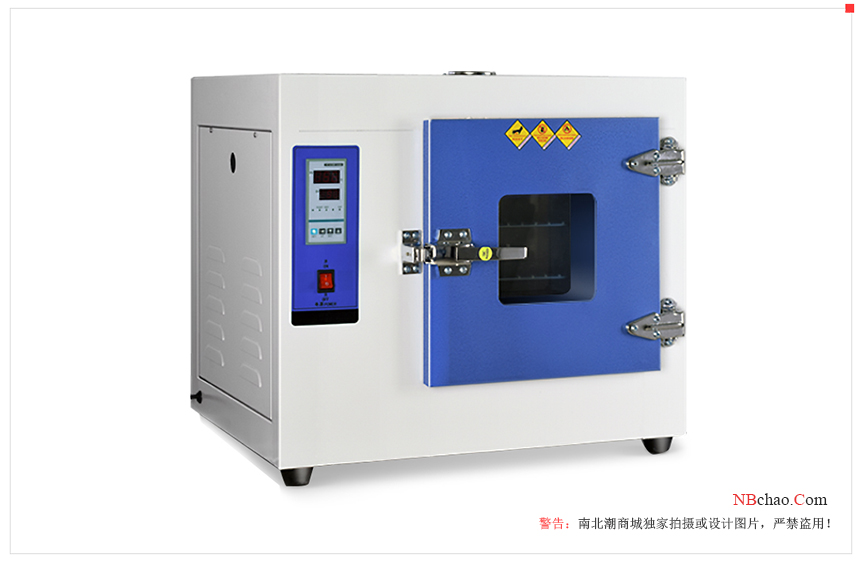
Application example in an Incubator
Controlled Sample Storage
growing cell culture
Growth of crystals/protein crystals
Multiplication of bacterial communities and subsequent bacterial counts in the food industry
Insect reproduction and egg hatching in zoology
Propagation of bacterial colonies and subsequent determination of biochemical oxygen demand
Reproduction of microorganisms such as bacteria, fungi, yeast or viruses
How to choose a laboratory Incubator?
The size range and volume of the Incubator are important discussions. Assessing the number of samples that will be incubated at any one time will give a general idea of the appropriate internal volume. What temperature, humidity and CO2 range will your work require, and will it require a water source?
To ensure even thermal cycling and to eliminate cold spots, Incubators can be water jackets or vapor jackets, or other direct heat sources can be used. For CO2 Incubators, controller options include thermal conductivity detection (TCD) or infrared sensors.
Incubators that provide model capabilities and ensure regulatory compliance are ideal for use in accredited or accredited laboratories where meeting accuracy and reproducibility requirements cannot be overemphasized.
Reducing contamination is one of the main goals of Incubator design. To this end, manufacturers offer high temperature purification cycles, HEPA filtration and use of antimicrobial copper elements in the cabinets. Some units feature interior glass doors that allow viewing of the contents without disturbing the atmosphere of the Incubator.
Integrated touchscreen displays, programmable alarms, data storage and removable shelves are additional design advancements focused on making laboratory Incubators more visible and accessible.
avoid pollution
Hygiene is the main priority when working with Incubators. Microorganisms may end up in the sample through airflow in the chamber or contamination on the chamber side. Therefore, the design of the room should be as uniform as possible without any sharp edges or fittings. The interior of the Incubator is usually made of non-corrosive stainless steel SS 304, smoothed for sanitary conditions and smoothed by some cabinet builders to avoid bacterial settling. In order to check the indoor load without opening the door, Incubators are usually equipped with inner glass doors.
future
While hospitals often require laboratory Incubators, the biotechnology industry is a growth market for this product. Growth chamber type Incubators will need to control temperature and relative humidity to more accurate settings, and microbiologists and researchers study new methods to improve our health and well-being.