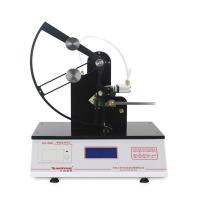
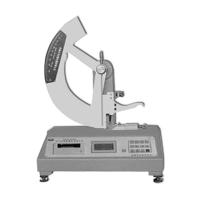
Cellophane is generally divided into two types: moisture-resistant and moisture-resistant. Ordinary cellophane is not resistant to moisture. This type is usually called Р or PT film, and the cellophane dyed with direct dye is called PC film.
The mechanical properties of cellophane depend on the amount and type of softener. Of course, the processing process will also have a certain impact. Increasing the softener will increase the softness and toughness of the tower, but the hygroscopicity will also increase accordingly.
In order to improve moisture resistance, cellophane is often coated on one or both sides for heat sealing process (such as ST film, QSAT film ), and nitrocellulose moisture-resistant film on both sides, such as MS, MT film, and one side is called DMS. Membrane, or both (such as MST membrane, MSAT membrane). Coatings include nitrocellulose, waxes, resins and plasticizers, among others. Newer coatings are based on polyvinylidene chloride (PVDC) with the addition of other compounds. This type of cellophane is called K film (K film), K film (also known as MXXT film), not only moisture-resistant but also has good folding resistance and wear resistance.
The specifications and symbols of cellophane vary from country to country, so the above content is for reference only. The thickness of cellophane can generally be divided into three types, see the table.
Transparency is an important indicator of cellophane. If the transparency is not satisfactory, this cellophane will be overshadowed. When printing on this kind of paper, it is generally made with white ink or gold and silver ink first, otherwise, its printing effect will not be satisfactory.
| Specification | Weight (g/m²) | Approximate Thickness (inches) |
| 300 | 30 | 0.0009 |
| 400 | 40 | 0.0011 |
| 600 | 60 | 0.0016 |
The tear resistance of cellophane is relatively low. If there is a crack on its edge, it is easy to tear along the mouth. Of course, generally speaking, when printing at a speed of 600 m/min, its strength is still acceptable.
Since cellophane does not absorb ink, it generally needs to be treated with hot air after printing to dry the ink. However, it should be noted that if the heat is too high, it may cause harm to the quality of cellophane.
Relatively speaking, since the gloss of the ink is not as good as that of cellophane, cellophane printing mostly uses reverse printing (that is, the ink is printed on the other side of the cellophane, and the non-printed side faces the line of sight). If it is used for food bag packaging, etc., since the ink cannot withstand friction and may contaminate food, most of them use a double-layer heat-sealing (composite) process, so that the ink is sandwiched between two layers of film.
Because urea is often used as a softener for non-moisture-resistant cellophane, and urea decomposes to produce ammonia during long-term storage, making the pH value as high as 9 or so. In this case, the alkali resistance of the ink needs to be considered.