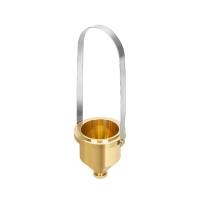
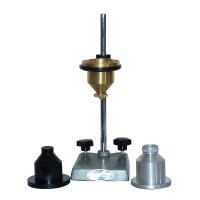
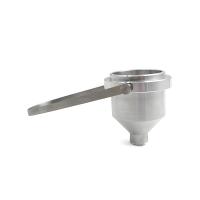
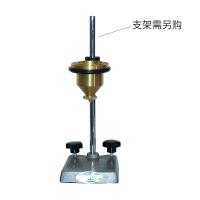
The orifice viscometer, like the capillary viscometer, belongs to the so-called Efflux type viscometer. In fact, the small-hole viscometer can be regarded as the industrialization of the capillary viscometer, but the capacity of the fluid is enlarged, and the capillary part is changed into a thick and short hole. The simple structure of this instrument is shown in the figure .
This viscometer is widely used in the coating industry. The No. 4 Ford Cup in the United States is now called Chengtu-4 Cup in my country. This is a viscometer that measures the total time (seconds) for a fluid to flow out of a Viscosity Cup as the conditional viscosity of the fluid.
Tu-4 viscometer is generally only suitable for measuring fluids whose viscosity is below 150 seconds. The viscosity of water is about 10 seconds. It is not suitable for fluids with high thixotropy.
The disadvantage of this kind of viscometer is that due to the large aperture and short length, the flow stability poor, and the Reynolds index in the flow is also relatively large, so it is not suitable for more accurate scientific research.
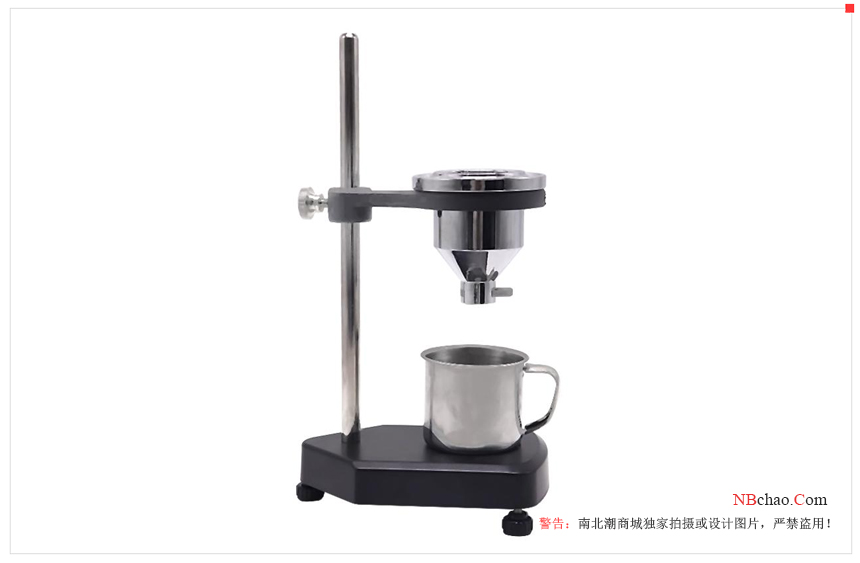
The advantages of this viscometer are simple structure, simple operation, easy to scrub and durable .
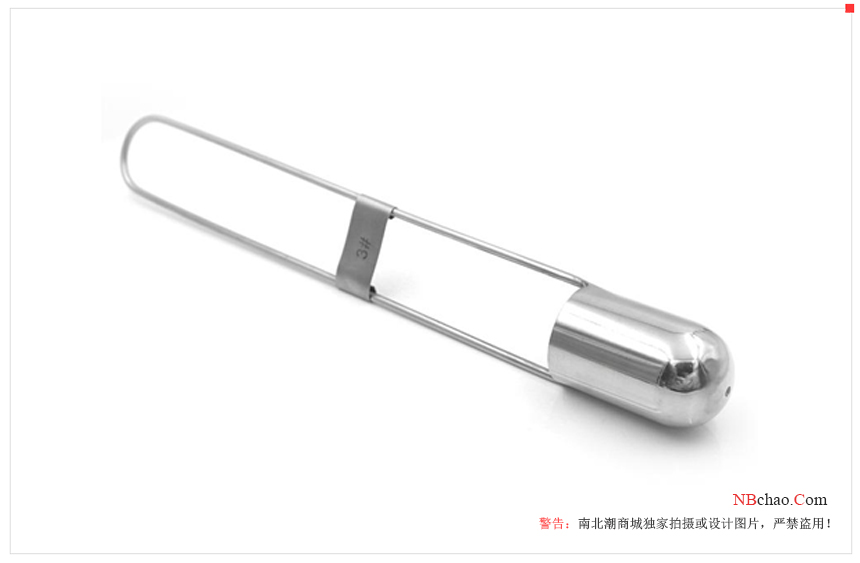
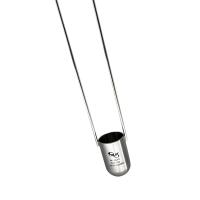
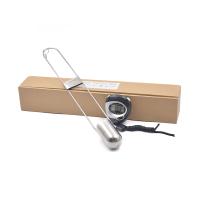
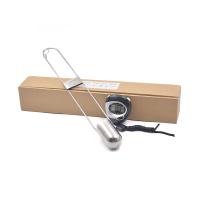
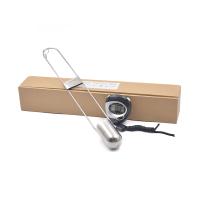
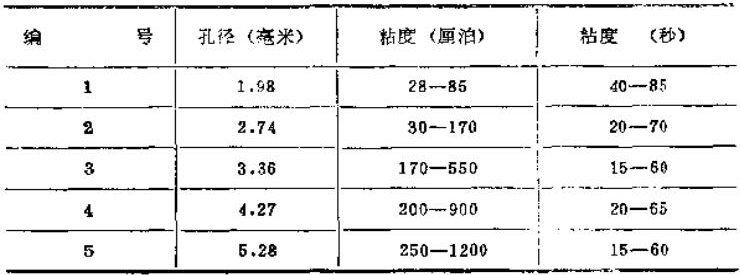
There is also a more convenient small-hole viscometer similar to the Tu-4 viscometer, which is the so-called Zahn precision cup, as shown in the figure. This is a cylindrical (column) body, a spherical bottom, and a portable cup with a long handle beam. There are five sets in total, with small holes of different sizes on the bottom, which are suitable for the measurement of various viscosities. See the table below for its specifications.
When in use, just immerse the Viscosity Cup in the fluid to be tested, then hold it vertically, and record the time required for the Viscosity Cup to flow out from the fluid to the first interruption of the filament, expressed in seconds.
The small hole viscometer can be used for viscosity determination of solvent-based inks (such as gravure inks, flexo letterpress inks). This instrument is also suitable for on-site application measurement in printing workshops, which is extremely simple and rapid.
Porous viscometers are rarely used.