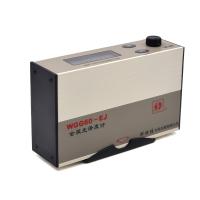
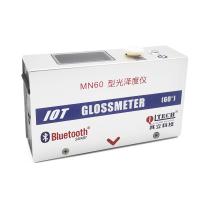
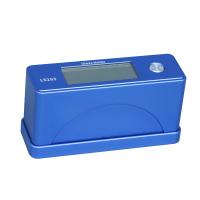
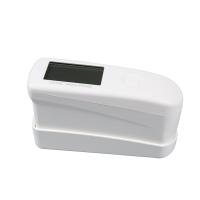
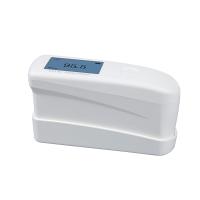
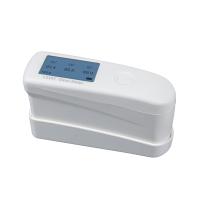
The appearance of a surface can change your perception of color. Think of a glossy magazine. If the light is shining directly on the page, you may need to tilt the magazine and change the angle of the reflection to see the colors clearly. Likewise, a textured surface may appear to be a different color than a smooth surface of the same object.
Since a Spectrophotometer determines the spectral value of a color by shining light onto a surface and measuring the reflectance, the importance of choosing the correct instrument and appropriate measurement mode cannot be overemphasized. These selections will determine whether the color sample passes tolerance and how the results correlate with visual inspection.
Spherical Spectrophotometer s are an option for coatings, coatings, plastics, and textile applications because they can include or exclude the specular component of the surface appearance. This ability is very important for evaluating color or color and appearance.
How the Sphere Device Works
The interior of the sphere device of the gloss meter is actually spherical. The light source reflects off the white matte surface inside the sphere, causing the light to scatter randomly in all directions. This process repeats thousands of times a second, creating an even, diffuse illumination of the object. The Detector then receives the reflected light from the object's surface at an angle of 8 degrees to accurately measure the color.
The sphere instrument has two ports: the sample viewing port and the specular reflection port. The viewing port contains receivers and photosensitive Detectors to quantify the light reflected from the sample surface. The specular port can be turned on or off to control the type of measurement.
If the port is open, the device will take a Specular Exclusion (SPEX) reading. If the port is closed, the device will take a specular inclusion (rotation) reading.

To include the effects of surface appearance and gloss, measure SPEX
The measurement Specular Component Exclusion (SPEX) - aka Specular Component Exclusion (SCE) - is similar to how your eye perceives color, as surface features become part of the color you see. In other words, a glossy surface is usually darker than a matte surface of the same color - as you have done.
When the specular reflection port is open, the light from that part of the sphere wall is not reflected back to the sample surface, but goes directly into a black trap and disappears from the measurement. The smoother the surface, the smaller the percentage of color returned to the instrument's photoreceptor. If the sample surface is a nice mirror (100% gloss), the instrument will read nice black, regardless of the "true" color.
To rule out surface appearance and gloss effects, measure SPIN
Measuring Specular Inclusion (SPIN) – also known as Specular Component Inclusion (SCI) – will capture true color data from a sample regardless of surface appearance. Measuring specular reflection involves negating the effect of surface appearance and only measuring color, similar to how your eye sees magazine pictures without glossy reflections.
If the specular reflection port is turned off, the black trap will be replaced by a white tile or plate, which was included during the illumination of the sample. If the sample is smooth, this part of the sphere will send the gloss signal directly to the observation port.
Illuminating surfaces evenly from all possible directions creates a desirable measurement environment for samples that are highly polished, such as glossy coatings and metal packaging, or textured like carpet and roof tiles.

Which is good for measuring "true" color?
The swatches are split into two swatches, one matte and the other glossy. Although the matte swatches look brighter, they are the same color. Which measurement mode (include or exclude specular) should you use for these samples?
For formulation, the industry-accepted answer is specular reflection. If you configure a sphere instrument to collect all reflected light—specular and diffuse—then it makes very little difference if the sample is specular or matte in appearance. The recipe controls the final color and these swatches will measure as black or gray of the same color.
While this makes sense in the lab, during quality assurance, the goals are slightly different. If a manufacturer covered metal cabinets in this black, but opted for glossy side panels and matte drawers, would the final product appeal to buyers? Maybe not. However, if the QA department measures the specular reflection of these parts, the two blacks will measure as the same color and the cabinet will be shipped with mismatched side panels and drawers. In this case, measuring specular exclusion is optional because it captures the color that the human eye sees.