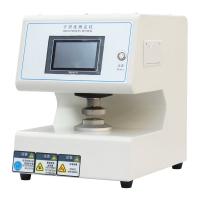
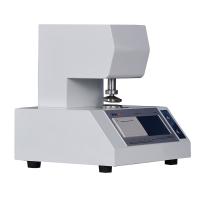
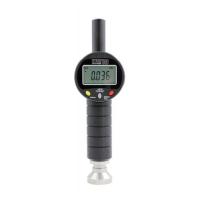
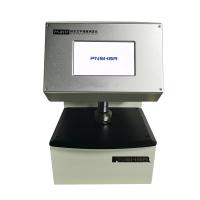
Roughness/smoothness is an important physical quantity to measure the unevenness and flatness of the surface of paper and cardboard. When using paper with a smooth surface for printing, it can contact the graphics and text of the printing plate or blanket with a large contact area to achieve a more uniform and complete transfer of ink, ensuring that the graphics and text of the paper printed matter are clear and the color is full. Satisfactory reproduction effect. In addition, for paper prints that express layered tone by dots, only very smooth, non-convex paper can better reflect the tone level and dot state in the original, so that the printed matter has rich and soft tone levels and clear dots. For writing paper, it is also necessary to achieve sufficient smoothness to ensure smooth writing.
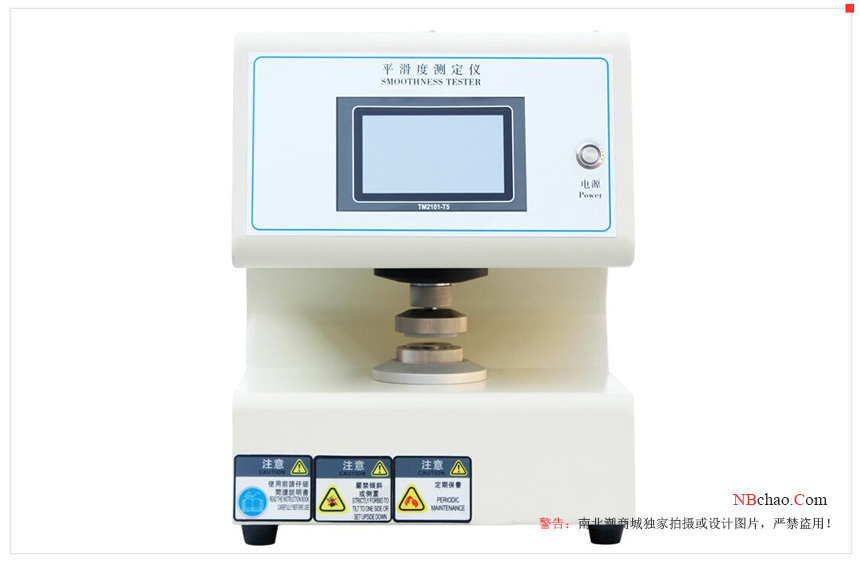
Roughness refers to the amount of air that flows out from between the sample surface and the metal ring surface when the sample is in contact with the flat metal ring under a certain pressure, and the air of a certain pressure is passed into the metal ring, and the unit is mL/min. Smoothness refers to the time required for a certain volume of air to pass through the gap between the sample surface and the glass surface of a certain area under a certain pressure under a certain degree of vacuum, and the unit is s.
There are many methods for measuring smoothness, such as air leakage method, optical contact method, needle drawing method, printing test method, capacitance method, friction method and liquid extrusion method, among which the air leakage method is most used.