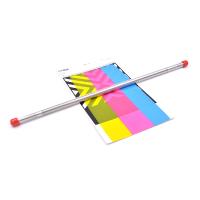
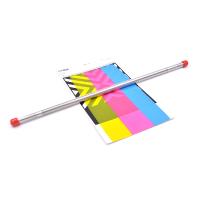
During the printing process, the surface of the ink film that evaporates and dries the ink will form a phenomenon of white fog, which is called whitening. In this case, the ink film is often matte, muddy or translucent, with dull spots or even directly whitish.
Most of the diluents used in aldehydes and ketones, rosin resin, polymerized rosin, chlorinated polypropylene, nitrocellulose, and polyamides in volatile drying inks are prepared from mixed solvents such as esters, ketones, alcohols, and benzene. From the selection of solvents and proper proportioning, they are required to have good dissolving ability and suitable volatilization speed. However, due to the humidity of the printing place, or too much volatile solvent, the surrounding heat is absorbed during the volatilization process, causing the air to drop below the "dew point", causing the moisture precipitated from the air to condense on the surface of the ink film. Make resin or high molecular polymer precipitate to form "whitening" phenomenon
test methods:
Thinner Bleaching Test Method
Main principles:
Use the appropriate ratio of the same type of volatile paint and solvent to observe the changes on the surface
Operation brief introduction:
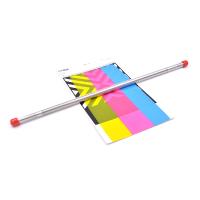
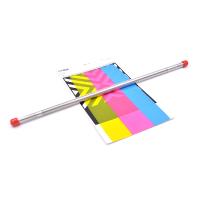
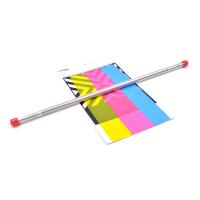
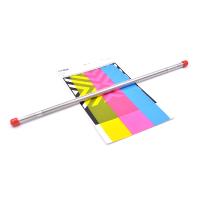
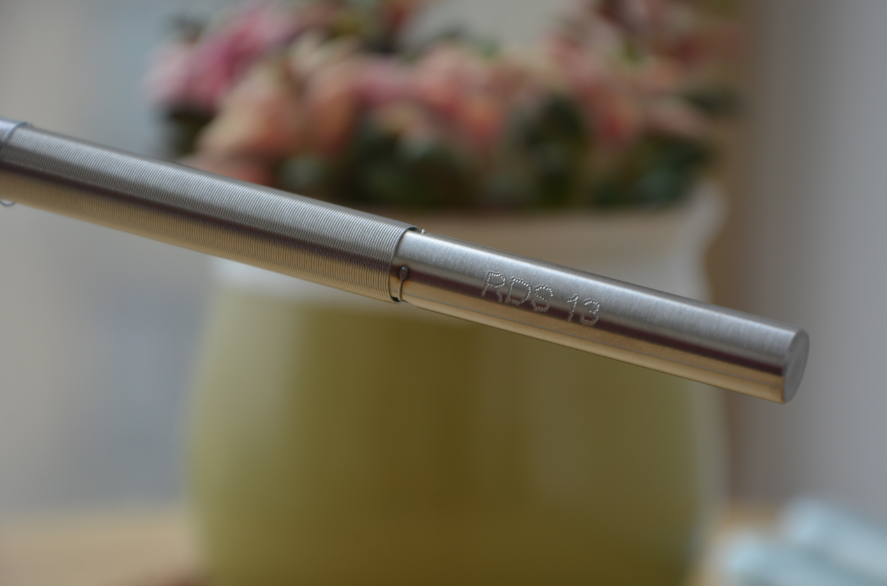
Mix the diluent and 54-50 paper gravure black ink well at a ratio of 1:2, and apply it on a 4-filament thick polyethylene plastic film with a surface treatment of 38 dynes or more with a silk stick, and set it at standard temperature, After drying under humidity conditions, observe
Apparatus used: coated wire rod, constant temperature and Humidity Chamber