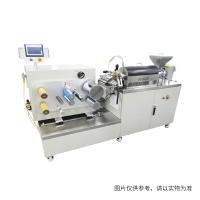
The preparation of PVA sustained-release film by the steel belt drool method is to filter and defoam the prepared rubber material, and then to perform the drool coating and drying process after the steel belt and the oven are preheated. In this experiment, electric heating tube and hot air are used for combined heating . Since this experiment is currently at the forefront of industrialization, it is inevitable that there will be many problems , mainly in terms of film quality. Here, we will explain and solve the problems that occurred during the test process.
1. Bubble-like spots or holes . One of the reasons is that the vacuum defoaming time is not enough, and the bubbles in the rubber making process have not been completely eliminated. The second reason is that when the hydrosol flows from the reactor to the card slot, the flow rate of the rubber material is unstable, and the inlet pipe changes from small to large, resulting in a large amount of air entering the pipe ; in addition, the influence of gravity and fluid momentum will also Cause foam, as shown in Figure 3-2.
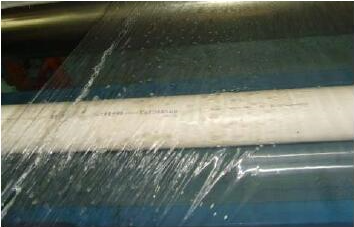
Figure 3-2 Bubble-like spots or holes appearing on the membrane surface
2. Scratches and fine grooves appear on the surface of the film. The first reason is that the rubber material is not melted uniformly and effectively, and some fine particles are bonded to the steel knife base cloth. The second reason is that the steel belt is not smooth, as shown in Figure 3-3 .
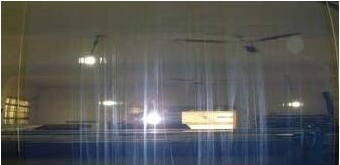
Figure 3-3 Scratches and fine grooves on the surface of the film
3. At the beginning, the thickness of the film edge is thin and the coating is uneven, so it is difficult to peel off, as shown in Figure 3-4
Reason 1: The sealing of the baffle in the groove is not enough, causing some glue to flow into the bottom cloth of the slot or outside the baffle.
Reason 2: After each test is completed, some water remains in the bottom of the glue tank during the process of cleaning the glue tank with water , which causes the residual water to flow to the bottom of the tank with the continuous flow of glue when the glue is injected again. due to the edge.
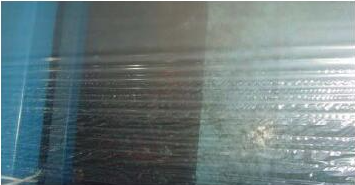
Figure 3-4 Thin film edge thickness
4. In the front stage of production, the thickness of the film is uneven or it is difficult to connect the film. It may be because the surface of the steel strip is not clean and the temperature and humidity of the environment have not reached a balance. When the whole system reaches an equilibrium state, the membrane quality is better.
5. When the viscosity of the glue is too high and the salivation temperature is high , the surface of the glue tank is easy to conjunctival. In more serious cases, as the steel belt rotates, the film block sticks to the surface of the steel belt and appears a patchy non-drying phenomenon , which directly affects the bonding film. and rewind. In addition, excessive viscosity seriously leads to uneven , as shown in Figure 3-5.
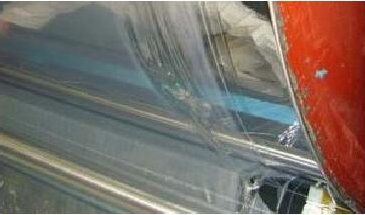
Figure 3-5 Glue conjunctiva affects coating quality
Precautions
1. The prepared glue should be kept warm and sealed in time, and the heat preservation of the glue material should be kept constant, and should not be too high, otherwise it will cause conjunctiva on the glue surface and curing phenomenon.
2. At the beginning of production, the phenomenon of film breaking and the difficulty of joining film caused by uneven coating should be dealt with in time. Wipe off in time
3. During the production process, do not stop at will. Shutdown will result in local unevenness of the film layer and the appearance of "white wavy streaks, as shown in Figure 3-6.

Figure 3-6 "White" stripes caused by downtime in production
This article is excerpted from "Preparation of PVA Sustained Release Film and Research on Its Sustained Release Performance". The copyright belongs to the original author. If there is any infringement, please contact us immediately, and we will deal with it in time!