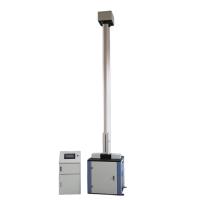
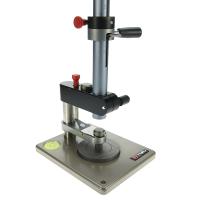
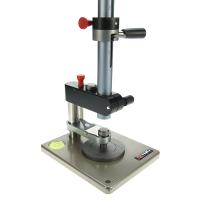
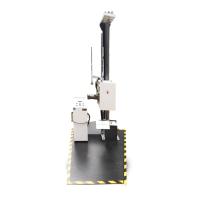
Impact testing indicates the toughness or impact strength of a coating to absorb energy under mechanical load. The drop impact test (or drop weight impact test) is a commonly used test method for determining impact resistance.
Test standards used for impact testing include:
ASTM D2794 – Test Method for Resistance of Organic Coatings to the Effects of Rapid Deformation (Impact)
The standard is described as a test procedure and provides three procedures to determine the extent of cracking produced in impact deformation:
Visual inspection with a magnifying glass,
Visual inspection after application of an acidified copper sulfate solution, and
Use a pinhole Detector.
During testing, a flat coated panel was placed under a weighted spherical ball assembly. The weighted balls are then dropped to different heights from the panel. The impact causes a crater to form in the test panel and is inspected visually or with a ten-power lens to determine the extent of cracks or other failures.
Measurements are made by dropping a ball directly onto the coated surface or
Inversely, the results are reported as direct or reverse shocks, respectively.
This is a simple test that is widely accepted in the coatings industry and provides useful information about the performance characteristics of the coating.
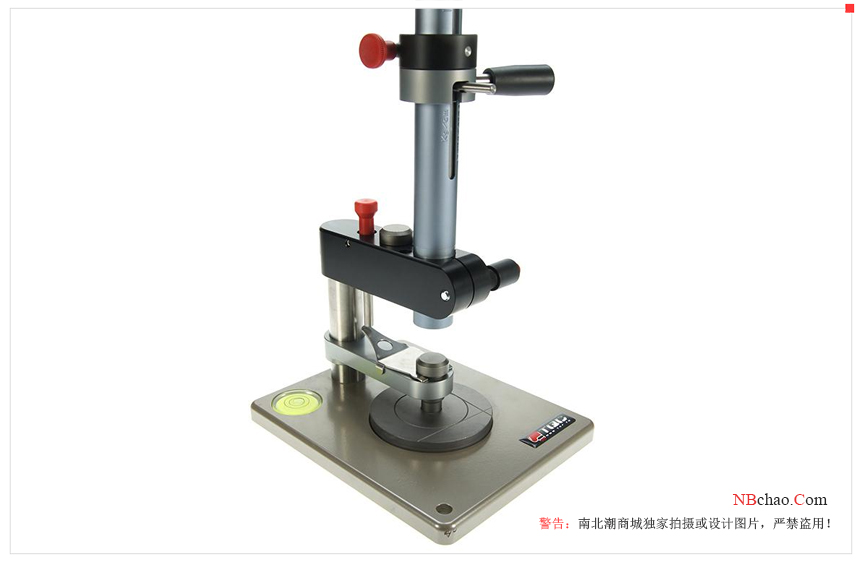
ASTM G14 – Standard Test Method for Impact Resistance of Pipeline Coatings (Drop Weight Test)
This test method covers the determination of the energy required to rupture a coating applied to a pipe under specified conditions of a drop weight impact. It uses a falling fixed weight with an impact surface of a specific diameter. Fixed weights are restrained vertically and dropped from different heights to generate impact energy over the desired range.
Conduct an electrical inspection to detect breaks in the coating. Impact resistance was determined as the energy required to cause penetration into the coating film.
The higher the energy required to cause a crack or penetrate the coating film, the more impact resistant and durable the coating will be.
This test method is of great importance in the pipeline coating industry for screening pipeline coatings and determining their ability to resist mechanical damage during transportation, handling and installation.
ISO 6272 – Paints and varnishes – Rapid deformation (impact resistance) test
This test method evaluates the resistance of a dry film of a paint, varnish, or related product to cracking or peeling of a substrate when subjected to deformation by a drop weight or drop under standard conditions. The test method is divided into two parts:
Part 1: Drop weight test, large area spherical indenter using a 1 kg weight with a 20 mm diameter spherical indenter attached.
Part 2: Drop weight test, using a small area spherical indenter with a 12.7 mm or 15.9 mm indenter.
The described method can be applied as:
Pass/Fail Testing – Testing from a drop height and specified mass to test compliance with specific specifications.
Q Sorting Test - This test uses progressively increasing drop heights and/or masses to determine the minimum mass and/or drop height at which a coating will crack or peel from its substrate.