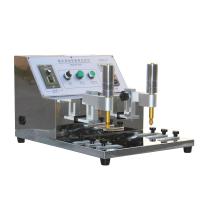
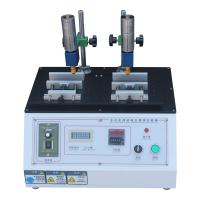
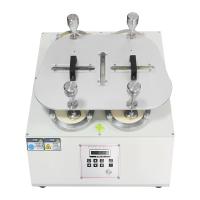
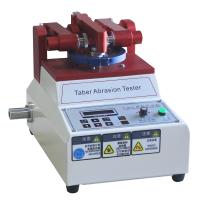
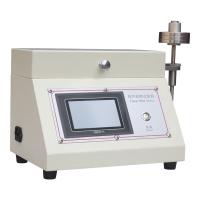
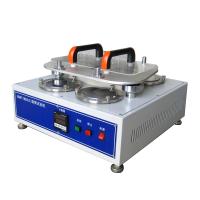
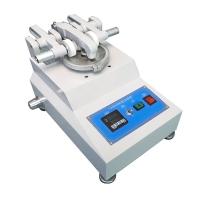
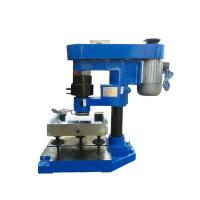
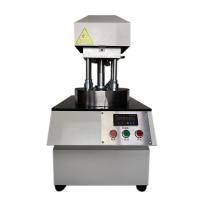
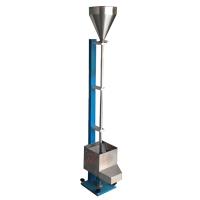
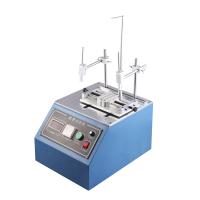
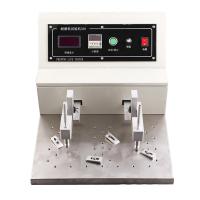
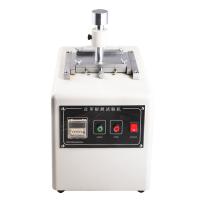
Metal wear is caused by friction, grinding, friction and other abrasive effects from regular use of machinery.
Which are better coating materials?
The importance of lightweight metals in many different industries cannot be overemphasized, including transportation, aerospace and automotive. They have little hardness and are therefore more prone to wear and tear. We offer a variety of possibilities to make operations cost-effective while maintaining fabrication with the proper thickness, chemical composition and application method.
What conditions are required for waterproof ceramic coatings?
Often, lightweight materials are not considered stiff enough to resist deformation. Before choosing a suitable wear-resistant coating, let's take a look at the following characteristics of the material:
• Friction - Friction is a complex situation that reduces energy transfer between sliding surfaces and causes potential damage to new coatings. Despite the wear-resistant coating, we make the body able to withstand the force by preparing it to withstand more layers
●Load Capacity – Load capacity depends on coating thickness. We use thick coatings to withstand greater loads while preventing breakage.
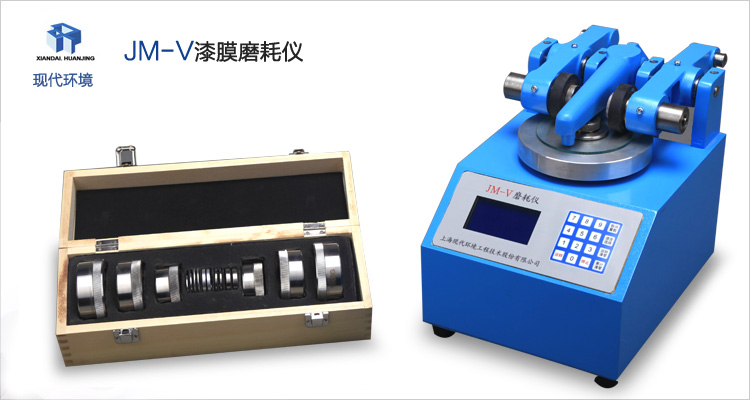
What are the widely used coating types?
●Hard Anodized – Hard anodized surfaces have an excellent wear resistant coating and are suitable for making harder options.
●Nitriding—the popular hardening treatment is fine and hard. It is not a suitable choice for bendable lightweight materials due to its extreme ability to wear quickly. The choice of plasma nitriding and gas nitriding depends on the difficulty of the material.
●Plasma Electron Oxidation—PEO has a three-step performance process. It results in more difficult crystallization and is therefore suitable for strong corrosion resistance.
●Electroless Nickel—EN is a popular coating method because it provides an effective coating effect. Fundamentally, we prepare the surface so it has the proper preparation for cleanliness and longevity.