1. Ink and coating product formulation characterization and impurity structure analysis
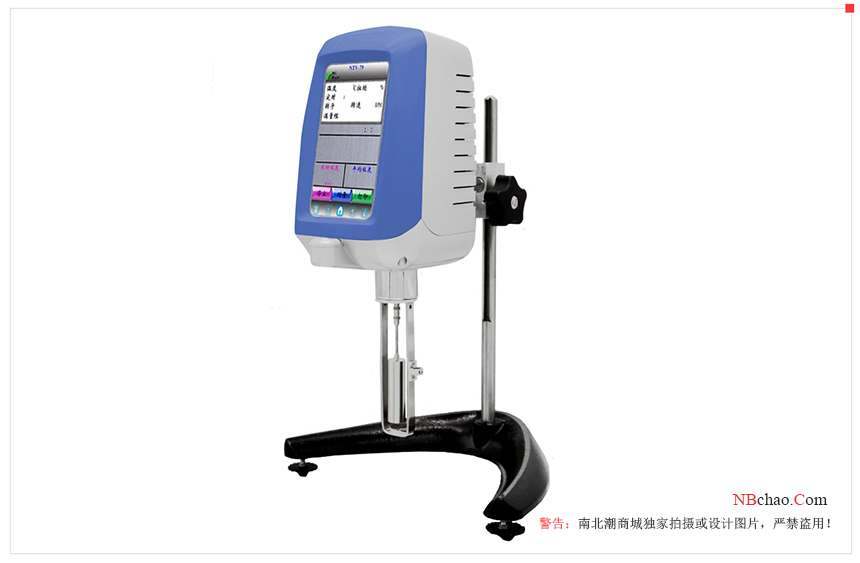
NMR Nuclear Magnetic Resonance Spectroscopy, Mass Spectrometry (MS), Tandem Mass Spectrometry (MS/MS), Liquid Chromatography-Tandem Mass Spectrometry (LC-MS/MS), Vibrational Spectroscopy, UV-Vis, Fluorescence, Viscosity, Headspace Gas Chromatography
2. High Resolution Microscopy
Particulate Pigment Systems Using Transmission Electron Microscopy (TEM)
Compatibility of printing technologies, such as printheads and inks using a scanning electron microscope (SEM)
Coated surfaces and multilayer systems (SEM, TEM, scanning probe microscopy (SPM) and interferometers)
3. Advanced data processing solutions that require data processing and interpretation
Statistical Measurement of Ink Batch Performance Variations
This is especially useful when understanding print attribute data (optical density, L*a*b* color space, etc.)
4. Working with polymeric substances and providing analytical support for a variety of chemicals including acrylated polyurethanes, epoxies, polyesters and acrylics (gel permeation chromatography, pyrolysis gas chromatography, etc.)
5. Trace heavy metals and residual inorganic impurities ash/inductively coupled plasma spectroscopy and optical emission spectroscopy or mass spectrometry detection (ICP-AES or ICP-MS) in the product formulation
6. Determination of physical and chemical properties of formula ingredients (pKa, LogP, LogD, solubility, etc.)
7. Forensic investigation of ink contamination during manufacturing (e.g. plasticizer absorbed from hose, etc.)
8. UV curing technology:
UV-Cure ink formulation characterization and impurity structure elucidation, including properties and interactions of monomers, photoinitiators, pigments, additives and oligomers
DSC Differential Scanning Calorimetry (DSC) is used to study complex thermal properties at different degrees of cure as an indicator of the degree of crosslinking
FTIR Infrared Spectroscopy for Quantification and Monitoring of Residual Functional Groups
9. Pyrolysis Gas Chromatography-Mass Spectrometry (GC-MS) Identification of Polymer Components in Aqueous Ink Dispersions
