在电子制造中,无论是在晶圆级还是在 PCB 中,都涉及多种材料,需要长久地或在工艺步骤期间相互粘附。与您正在处理的粘合工艺类型无关;每次粘合都需要可靠且成功。
使用水接触角进行质量控制以验证晶圆清洁度
良好附着力的最关键要求之一是表面清洁度。RCA清洗是加工前硅片的标准清洗方法。清洗的目的是去除表面的所有异物,包括灰尘、油污、硅尘等。清洗步骤分为两个;RCA1 和 RCA2。RCA1 将去除任何有机污染物,而 RCA2 负责离子和金属污染物。稀释的氟化氢溶液常用于中间去除薄氧化层。破水测试通常用于检查清洁程序后的表面状态。水接触角测量提供了一种可追溯和定量的方法来做同样的事情。
接触角确保光刻胶附着力
适当的光刻胶附着力对于成功的光刻工艺重要性无庸赘述。在开发或蚀刻过程中失去附着力将导致图案错误,这对正在制造的设备来说是致命的。长期以来,人们就认识到光刻胶和硅片之间需要粘合促进剂。
六甲基二硅氮烷 (HMDS) 底漆通常在应用光刻胶之前使用。由于环境湿度吸附了水的表面层,硅晶片上的水接触角通常非常低。如果在应用光刻胶之前没有去除水层,则在随后的显影或化学蚀刻过程中存在光刻胶完全分层的风险。脱水烘烤后,通常会施加疏水性 HMDS 涂层以使表面更加疏水,从而不易吸水。水接触角测量可用于找到合适 HMDS 处理方案以及检查处理是否成功。
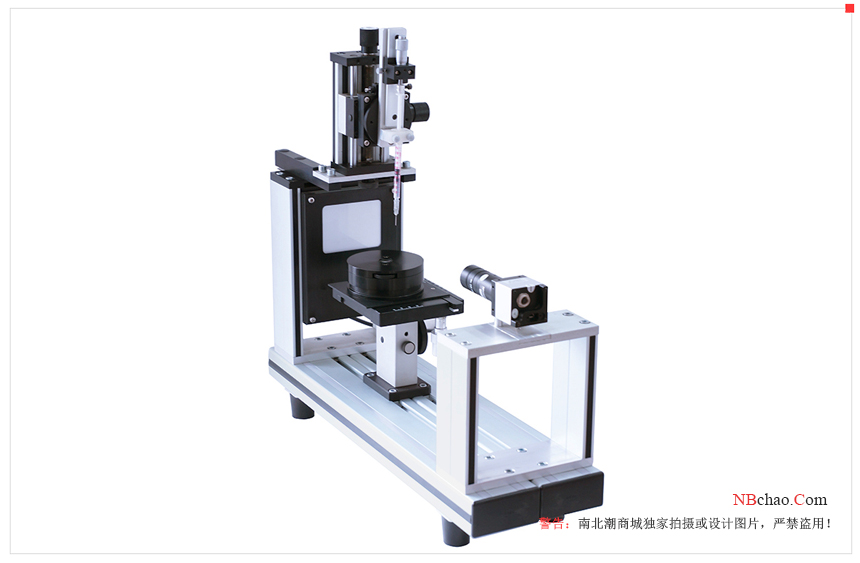
用接触角检查PCB的清洁度
Removing excess flux is an important part of the soldering process. This is because some fluxes are corrosive and their residues may continue to work and damage the board at a later stage. Due to the adverse effects of fluxes on PCBs, there are a number of cleanliness tests available for PCBs. These include ion chromatography, solvent extract resistivity (ROSE) testing, surface insulation resistance testing (SIR) and visual testing. Among them, ROSE is by far the most popular one. The main advantages of the ROSE test are that the test is fast and inexpensive. The problem is that it cannot detect all types of contamination, and the ones it can detect are averaged over the entire test surface. Water contact angle measurements provide an excellent alternative to ROSE testing. Water contact angle measurements were performed by dropping a drop of water on the PCB. If the water is beading up (i.e. the contact angle is high), the surface is not ready for conformal coating. If the water is diffuse (i.e., the contact angle is low), the surface is free of organic contaminants and can be coated. An advantage of contact angle measurement is that it can also be performed on extremely small areas.
Ensures good adhesion between conformal coating and PCB
Conformal coatings are used to protect PCBs from environmental conditions such as high humidity, a range of air pollutants, and changing temperatures. Most carrier materials for PCBs are made of glass fiber reinforced plastics, which typically have low surface free energy values of around 40 to 45 mN/m. In addition, the surface free energy of individual components and assemblies varies widely. This makes conformal coating difficult, and adding a cleaning step may not be enough to raise the surface free energy to the desired level. Typically, the surface tension of a conformal coating should be at least 10 mN/m lower than the surface free energy of the substrate. Plasma activation of PCBs can be used to increase surface free energy, thus ensuring more uniform wetting of PCBs. Contact angle measurements can be used at various stages of the process. Start by checking the surface wettability, then find the proper plasma treatment parameters to achieve the desired level. The contact angle also provides an excellent tool for quality control to ensure the process remains under control.