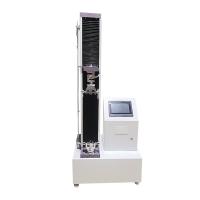
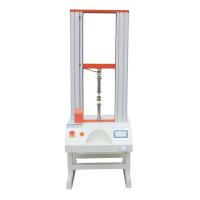
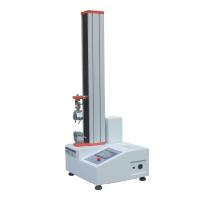
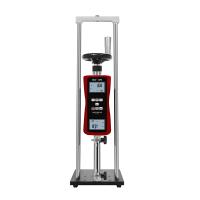
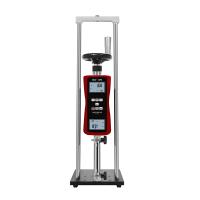
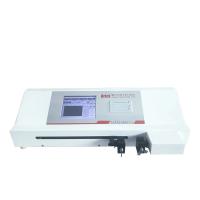
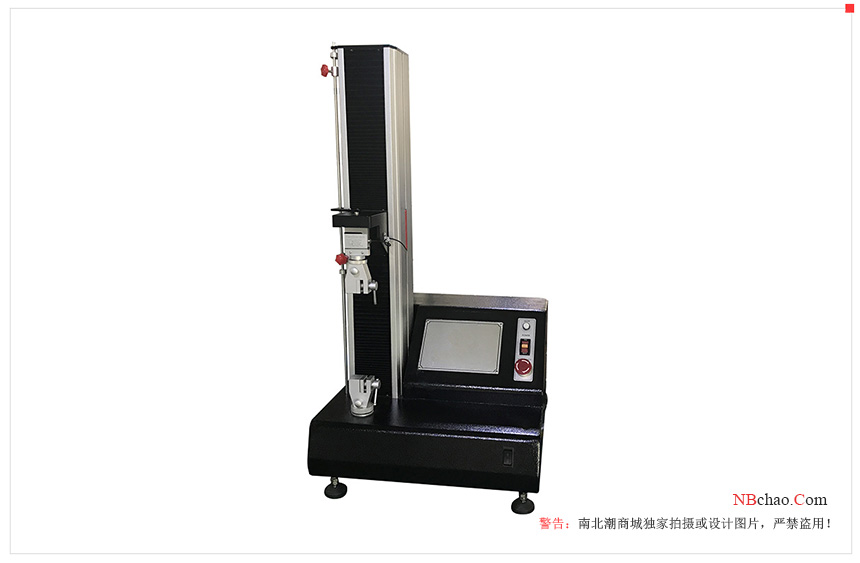
Tensile testing machine is a very versatile testing equipment. It is suitable for testing various physical and mechanical properties of plastic sheets, pipes, profiles, plastic films, rubber, and wires and cables. It is an indispensable testing equipment for material development, physical property testing, teaching research, quality control, etc.
Multipurpose testing machines (UTMs) are reliable workhorses – they can perform hundreds of tests a day, 7 days a week, and maintain the strength required to break specimens under loads of up to 5 kN, 50 kN, and even 600 kN and beyond. generated energy. However, like true workhorses that have been in service for years or decades, they will eventually get old, wear out, and not be as reliable or perform as well as newer replacements
Tensioner fixture is an important part of the instrument. Different materials require different fixtures, which is also an important factor for smooth testing and accurate test results.
advantage
Retains most of the original investment: frame, load cells, accessories
Costs less than new test systems
Considered a maintenance budget item rather than capital equipment in some organizations
shortcoming
Probably not much less than the cost of a new test system, especially for smaller single-column or tabular model frameworks
Costs may not be significantly lower than new systems once service labor becomes a factor
It may not be possible to replace all parts that may fail; if they do fail, the remaining parts may be too expensive or cost prohibitive to replace