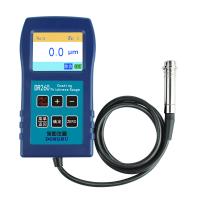
In the construction process of steel structure coating, the thickness control of the coating is a very important intentional requirement. On the one hand, if the coating is too thin, it will affect the life of the steel. Therefore, the coating needs to be strictly inspected and controlled during the entire construction process.
The coating will shrink during the curing process, and tensile stress will appear inside. The difference in thermal expansion coefficient between the coating and the base material will also lead to the generation of internal stress in the coating. The existence of internal stress may reduce the adhesion and fatigue resistance of the coating and shorten the service life. Therefore, the wet film thickness detection of the coating should be carried out at any time during the coating process.
On the other hand, before the coating construction is completed, a comprehensive inspection of the thickness of the steel structure coating should also be carried out. Wet film thickness testing can use ordinary mechanical thickness measurement, but dry film thickness testing must use non-destructive testing, otherwise it will cause destructive effects on the coating.
At present, the application of coating Thickness Gauges in steel structure coating construction is still very common. According to the material properties of steel structures, they are divided into magnetic Thickness Gauges, electromagnetic Thickness Gauges and eddy current Thickness Gauges.
The range of the Thickness Gauge should be determined according to the maximum thickness of the coating to be tested. Generally speaking, the maximum thickness of the coating to be tested should not be greater than 80% of the maximum range of the Thickness Gauge. For example, if the thickness of the coating to be measured is expected to be 500 μm, then the measuring range of the Thickness Gauge should not be less than 625 μm .
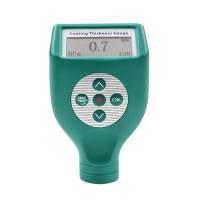
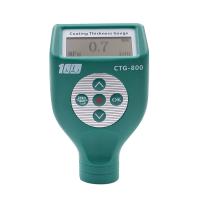
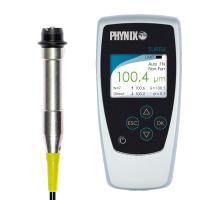
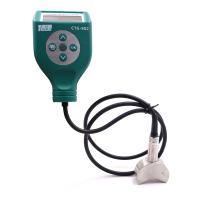
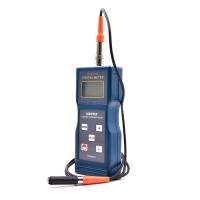
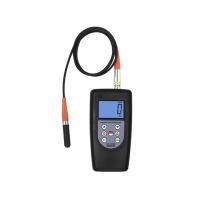
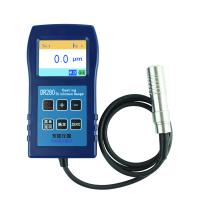
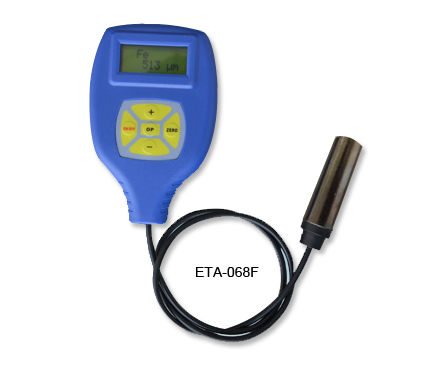
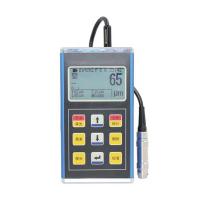
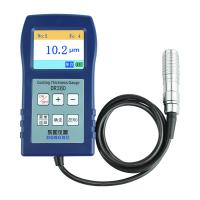
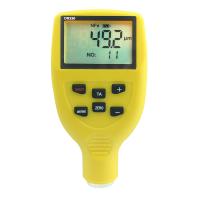
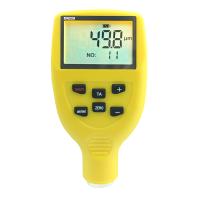
The following are real photos of some common coating Thickness Gauges.

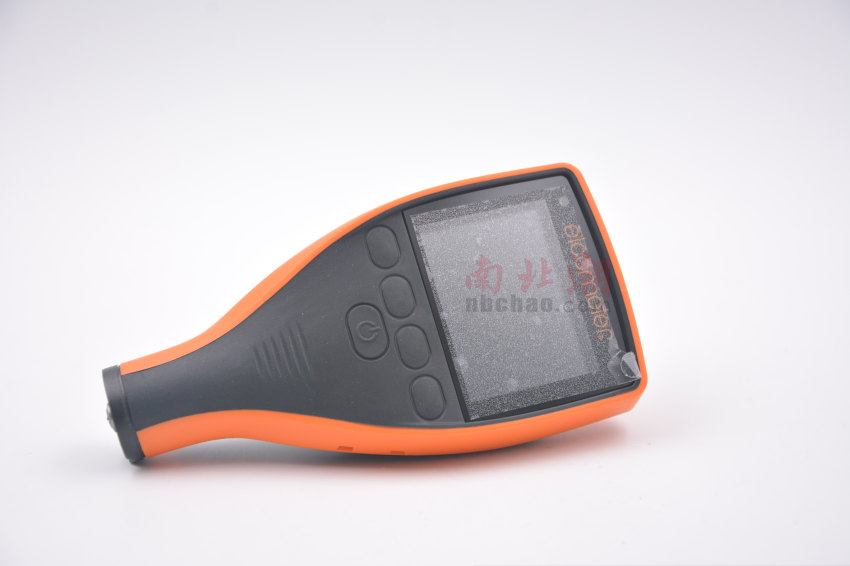
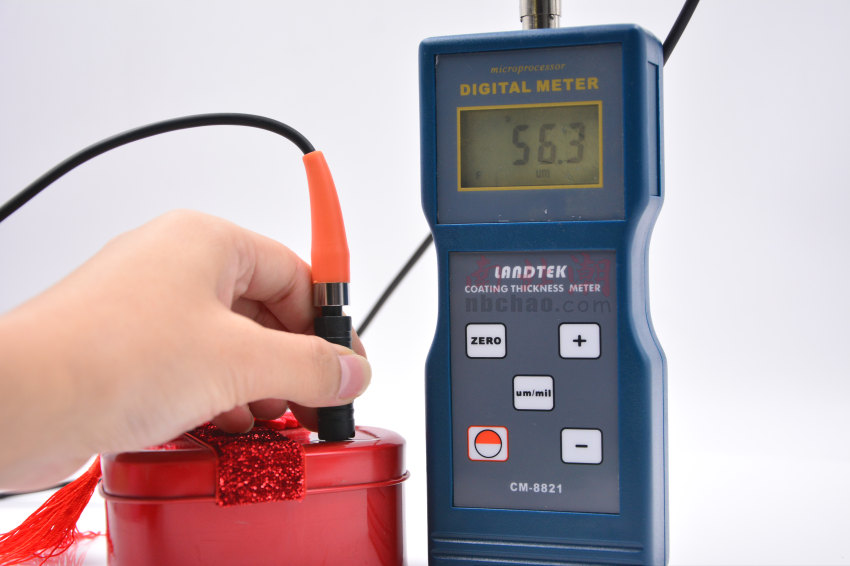
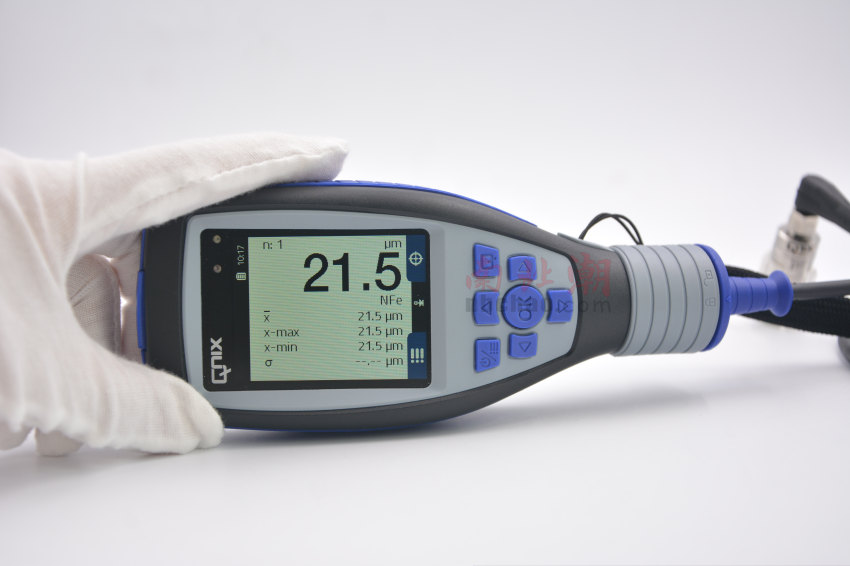
The above coating Thickness Gauges can be used to measure the coating thickness of steel structures, but in the selection of coating Thickness Gauges, the key points are: the size of the surface to be measured, the thickness of the coating, and the material of the substrate. After several parameters are determined, it can basically be directed to some suitable coating Thickness Gauges. Finally, make corresponding choices according to budget and accuracy requirements.