Ceramic coatings originated from the sol-gel (Sol-Gel) technology in the 1960s, which laid the theoretical foundation for ceramic coatings. It adopts a safe and non-toxic formula, does not contain benzene, ketones, esters, formaldehyde, and free TDI toxic heavy metals. The water-based ceramic paint has low VOV content, low odor, harmless to the human body, and does not burn. Mainly suitable for spraying, dipping or showering and other construction methods. my country's testing standard for ceramic decorative water-based coatings is HG/T 5175-2017 "Water-based Coatings for Glass and Ceramic Products Decoration". Today we will introduce the regulations of HG/T 5175-2017 for the testing of ceramic decorative water-based coatings.
Suitable
HG/T 5175-2017 is suitable for water-based coatings for decoration of glass and ceramic products such as wine bottles, cosmetic bottles, lamps, furniture, kitchen utensils, and handicrafts.
Detection classification
HG/T 5175-2017 divides water-based coatings for decoration of glass and ceramic products into primers, intermediate coats and top coats.
Test items
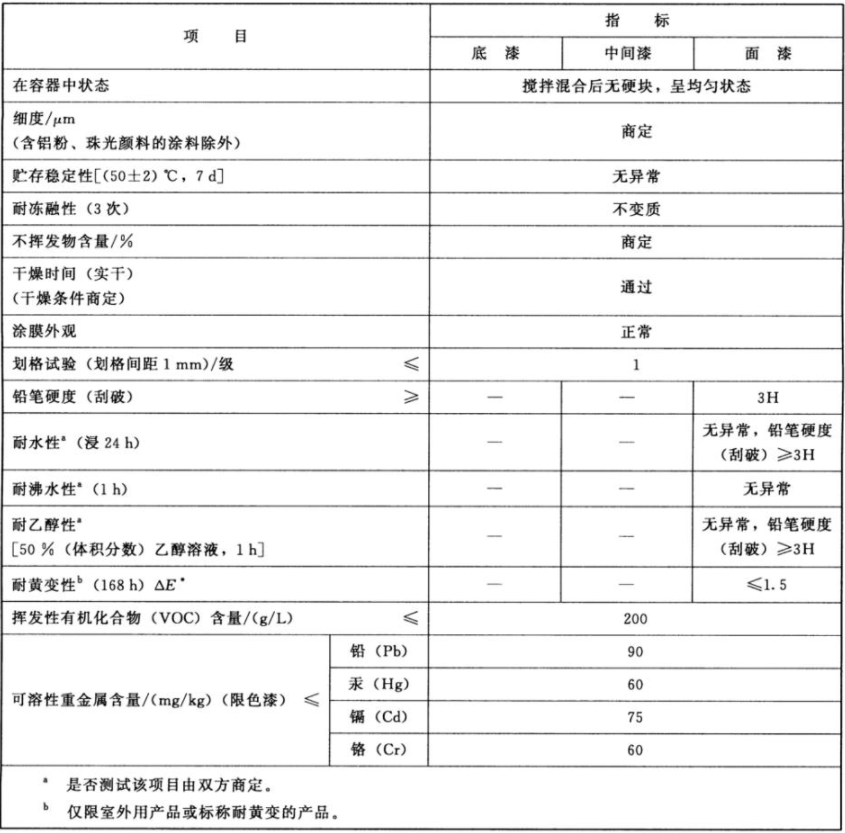
Factory inspection items include state in container, fineness, storage stability, freeze-thaw resistance, non-volatile content, drying time, coating appearance, cross-cut test, pencil hardness, water resistance, boiling water resistance, ethanol resistance , yellowing resistance, volatile organic compounds .
Sample preparation
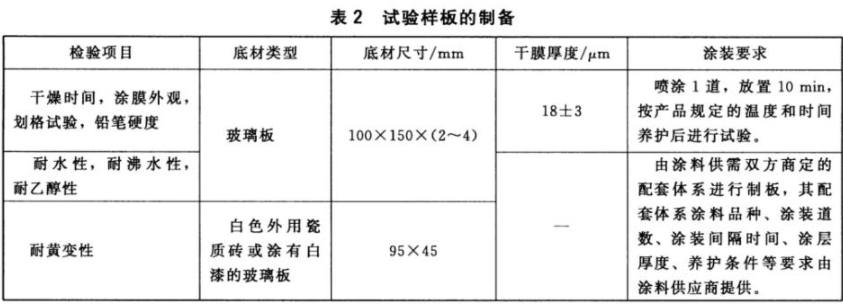
Unless otherwise agreed, select the test sample material for the inspection item according to the type of substrate in Table 2. The glass plate used for the test shall meet the requirements of GB/T 9271-2008, and the treatment of the glass plate shall be carried out according to the provisions in 7.3 of GB/T 9271-2008. The requirements of 6.1 in 23983-2009. The agreed substrate material type and substrate treatment shall be stated in the inspection report. If the test method is applicable, test pieces can also be used for testing.
The specific performance requirements parameters are as follows: