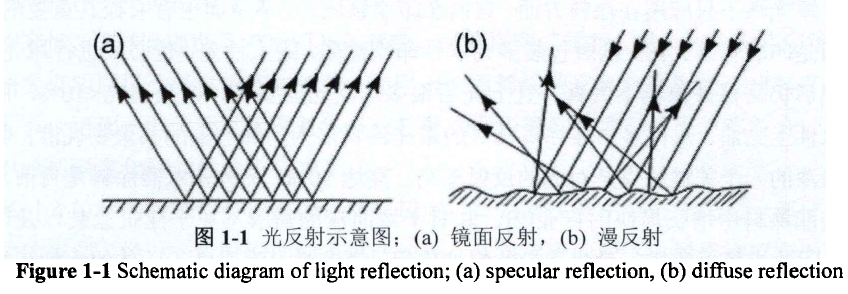
Matting paint refers to a type of paint with low gloss and soft surface light texture. Its working mechanism is: when the light from the outside shines on the surface of the coating, the surface of the coating presents an uneven effect on the micron scale, thus Reflect the incoming light back in different directions to achieve a low-gloss effect (as shown in Figure 1-1).
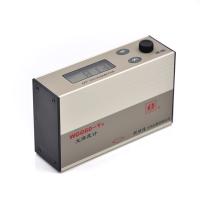
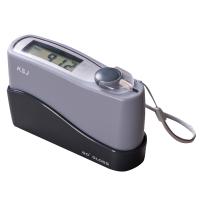
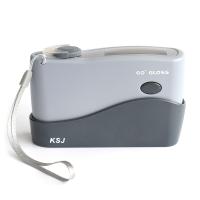
The glossiness refers to the reflective ability of the surface of the object for the light projected on its surface. The stronger the reflective ability of the object for the incident light, the higher the glossiness of the object [28]. According to the gloss of the paint (measured by a 60° gloss meter), people are used to dividing the paint into bright (gloss>60%), matte (10%<gloss<60%), matte ( gloss <10%) [29]. This low-gloss coating can be applied to leather finishing, paper printing, printing and dyeing inks, printing coatings, packaging coatings, etc. The most important factor affecting the gloss of paint is the roughness of the paint surface. If the roughness of the surface of the object can make the object produce a matting effect, the roughness of the surface of the object must be greater than 1.1 μm. When measuring the glossiness of the surface of the object with a 60° gloss meter, since the incident angle is 60°, The wavelength of the brightest light wave that the human eye can see is 0.55 um, and the particle depth h is calculated according to the formula to be 1.1 μm.