1. Purpose
Different coatings and different testing items require the preparation of coating films of different thicknesses, and the consistency of coating films on the same test piece or a group of test pieces is a prerequisite for various testing tasks. For this reason, the use of high-precision applicators can prepare coating films of different thicknesses and eliminate human errors as much as possible, so that the testing items can be carried out under the same conditions.
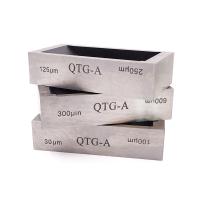
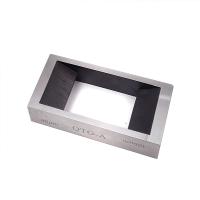
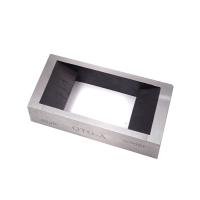
QTG—A type frame coater is designed and manufactured with reference to the internationally popular technology and combined with domestic actual conditions. Its characteristics are: high molding precision, small size, multi-purpose, especially no spillage of paint during the molding process, suitable for preparing required films on steel plates, plastics, and wood boards.
2. Working principle and technical parameters
The applicator determines the thickness value of the mold according to the depth value of the groove. Three sets of QGT—A frame coaters are used as one set, each of which can make four kinds of coating films. Right now:
The first group: 0.30±0.002 0.50±0.002 0.75±0.002 0.100±0.003
The second group: 0.125±0.003 0.150±0.004 0.200±0.004 0.25±0.005
The third group: 0.300±0.006 0.400±0.008 0.500±0.010 0.600±0.012
Molding width is not less than 60mm
3. Usage and maintenance
1. According to the thickness requirements of the mold making, select the applicator of the corresponding specification;
2. The test piece should be placed on a flat workbench, and the applicator should be placed on the top of the test piece;
3. Pour an appropriate amount of paint into the applicator, hold both ends of the applicator, and pull it down at a constant speed;
4. According to practical experience, the pulling speed is slower for thick paint, and faster;
5. After use, clean and wipe the applicator, put it back into the box after applying anhydrous Vaseline, and put it in a ventilated and dry place.
4. Periodic calibration
Generally, it should be calibrated after one year of use, using a dial indicator with an accuracy of 0.001, a zero-level flat plate or an optical meter. The test results should meet the provisions of Article 2 of this manual, if not, it should be repaired or replaced.