Ensuring the integrity of the protective coating is critical when designing, applying and monitoring coatings. If it is not known what the coating will withstand, the risk of coating failure is high. Testing the mechanical properties of a coating is one of the ways to ensure that the coating in question can handle the environmental and operating conditions it is exposed to.
There are many tests that make many different measurements of the strength and other properties of a coating. Understanding the various tests and how they are used to determine coating quality is a key factor in improving your project's chances of success. While many tests have been devised, they generally fall into the following four categories.
Coating hardness test
Hardness is a mechanical property that helps a coating resist indentation. Harder coatings have a greater ability to withstand dents. When indentation is an issue, it is worth using a coating Hardness Tester to verify that the cured coating is at the desired hardness level.
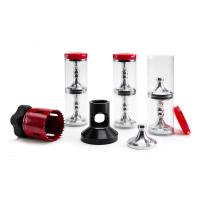
The Buchholz indentation Tester is the method to perform this verification. During a Buchholz indentation test, a standard-sized tool is pressed against a cut under a constant load for a period of time. After the time has expired, remove the tool and measure the indentation. The larger the size of the indentation, the lower the hardness of the coating.
Coating Wear Test
Coating abrasion occurs when all or part of the coating is scraped off by another material, which is obviously undesirable because it leaves the base material unprotected after the coating has been removed. Therefore, wear testing is necessary to see how the coating holds up when it comes into contact with another object as the two objects move relative to each other.
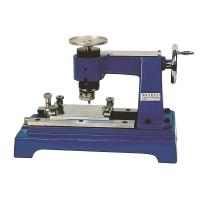
A common test to determine the abrasion resistance of coatings is the Taber test. For the Taber test, the coating material being evaluated is applied to a solid flat panel. After the coating has cured, the panels are loaded into the testing machine. A grinding wheel is placed on the coating and moved over the surface of the board for a predetermined period of time. As the wheel travels along the coated surface, this motion gradually removes the coating material. The weight of the specimen before and after the test was then used to calculate the abrasion resistance of the coating.
Another less scientific way to find out about the indentation and abrasion resistance of a coating is to do what is called a nail test. To perform this test, after the coating has cured, a fingernail (or another object with a defined edge, such as a coin or knife) is dragged across the coated surface. When finished, evaluate the coated surface to determine if any damage has occurred. If excessive damage is done to the coating, it will be considered unsatisfactory. If movement of the nail or other edge type across the coated surface appears to have little or no effect, this is considered acceptable.
Because the force exerted by the nail on the coating is not measured and the sharpness of the nail is not captured, the nail test method is generally only suitable for basic field testing. If numerical data are required for coating wear testing, a more appropriate evaluation method is the Taber wear test.
Coating Adhesion Test
The ability of the coating to adhere to the substrate is very important because without sufficient adhesion, the coating may peel off completely prematurely, exposing the substrate to the environment.
A common test used to determine the adhesion strength of coatings is the peel adhesion test. To perform this test, a special break gauge is required. The gauge is attached to an adhesive pad or dolly, which is then attached to the coating. Force is then applied to pull the cart away from the coating. Record the amount of force applied until coating failure occurs. This force is used in conjunction with the area measurement of the cart to determine the adhesion strength of the coating.
Because coating adhesion is such an important consideration, there are other tests besides the peel adhesion test to measure this mechanical property. Another method of determining coating adhesion strength is the tape adhesion test, a popular evaluation method for coatings applied in the field when no other more numerical options are available. For the tape adhesion test, a sharp object is used to cut the portion of the coating attached to the substrate. Then apply tape to the cut coating area. Remove the tape in a quick fashion and assess the amount of coating material removed. While it does not provide much quantifiable data, it is somewhat helpful in quickly assessing the bond strength of the coating.

Coating Flexibility Test
When a coating is applied to a substrate that will deform, the coating needs to be able to withstand the deformation of the material without failure. Some coatings are hard and brittle, so are less likely to stay intact when the substrate starts to flex.
Testing the flexibility of the coating can help prevent such coating failures. A common method for testing coating stiffness is to apply the coating to a substrate, allow it to cure, and then bend the substrate and coating around a mandrel. The diameter of the mandrel is selected based on the amount of deformation the coating is expected to withstand in the actual application. If cracking or chipping occurs, the coating is likely not flexible enough for its intended purpose.