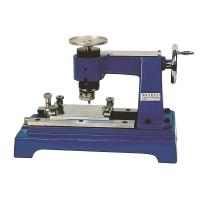
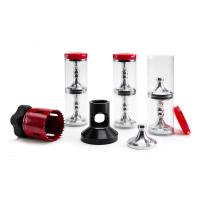
Coating strength is a measure of the adhesion of a paint or coating to a surface or substrate. Coated surfaces are considered a three-component system consisting of:
painting
matrix
Paint/Substrate Interface
Coatings are useless unless they have good adhesion. While the coating remains on the substrate, it prevents:
weather
Chemicals
scratches
Influence
pressure
The durability and performance of a coating depends on two fundamental properties: cohesion and adhesion. Cohesion is the intrinsic strength of a material, which is determined by the strength of the molecular forces in the bulk. Adhesion is the strength of the bond formed between one material and another. Surface roughness improves coating adhesion. Failures related to adhesion determine the lifetime of the coating.
In the paint and coatings industry, paint adhesion testing is commonly used to determine whether a paint or coating will adhere properly to the substrate to which it is applied. There are three different tests to measure the resistance of paints and coatings to the substrate:
The cross-cut test measures the resistance of paints and coatings to separation from the substrate by using a tool to cut a rectangular lattice pattern into the coating, all the way through to the substrate.
The scratch adhesion test measures the adhesion of an organic coating when applied to a smooth, flat surface.
The pull-off adhesion test is a measure of a coating's resistance to separation from a substrate when a perpendicular pull is applied.
Where the coating strength is low, the coating is likely to fail. Causes of coating failure include:
overheat
bubbling
to crack
hardening
soften
peel off
dyeing
combustion
undercut