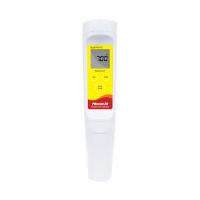
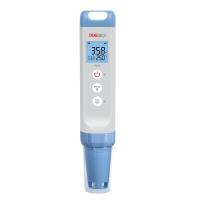
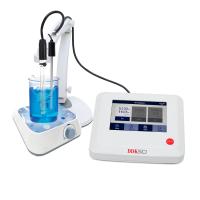
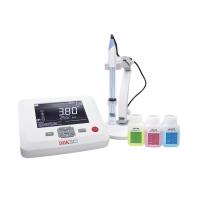
The pH electrode is the part of the pH meter that is in contact with the substance to be measured, and is usually used to measure the electrode potential. The service life of the pH electrode starts from the factory. Whether it is used or not, the longest service life is only 1 year. If the use and management methods are not in place, the service life will be shortened exponentially. This blog will tell you how to use, maintain and store your pH electrode.
How to use a pH electrode?
The pH electrode is often soaked in the test solution during use, and it is strictly forbidden to dry it in the air for a long time, and the drying time in the air generally does not exceed half an hour.
When the pH electrode is not in use temporarily, the electrode should be cleaned with the correct cleaning method, and then put into a standard buffer solution, temporarily stored in a pH=4 buffer solution (such as hydrochloric acid), and stored in a pH=7 buffer solution (such as saturated chlorine for a long time). potassium chloride solution).
It is forbidden to use the electrode in high temperature or dry environment. High temperature or dry environment will easily cause oxide skin on the surface of the electrode, thus damaging the electrode.
It is forbidden to use or store the electrode in an environment close to the freezing point. The freezing point environment will easily cause the electrode to explode. At ambient temperatures below 15°C, it is normal for the sensitivity and accuracy of poisons to be reduced when using a pH meter.
Electrodes should not be used and stored in environments with severe vibrations. Otherwise the electrodes may be damaged.
Electrodes are generally cleaned and maintained by electricians once a month (recommended once a day or every other day), and the specific time interval depends on the harshness of the test environment. The harsher the environment, the more frequent cleaning and maintenance (such as solutions containing heavy metals or organic substances) , requiring more frequent cleaning and maintenance).
The electrode should be at a height that can truly reflect the pH value of the liquid, generally 200-300 mm below the measured liquid (the front glass bulb must be completely immersed in the measured liquid).
Electrodes that are used for the first time or that have not been used for a long time need to be activated by soaking in 3mol/L potassium chloride solution for 24 hours before use.
PH correction, the inevitable error in the actual test can be corrected. PH can be corrected. The instrument parameter setting has online calibration. After selecting the PH correction option, confirm the corrected PH value. According to the actual PH correction, in principle, the correction range is within ±1 (can be sent back for re-amendment to open the correction range).
Routine maintenance of pH electrode

General contamination: Rinse the electrode with water, 0.1 mol/l NaOH or 0.1 mol/l HCl for a few minutes.
Grease or organic contamination: Clean the electrode with acetone or ethanol for a few seconds.
Sulfide contamination (diaphragm black): Use cleaning solution.
Protein contamination (diaphragm yellowing): Use cleaning solution.
Electrode regeneration: Treat with regeneration solution. Regeneration can only prolong electrode life to a limited extent.
Sheath pressure maintenance: For the ATO pH glass electrode that needs to be pressurized, pay attention to the pressure gauge reading on the sheath when using it. In principle, the pressure inside the sheath should be higher than the pressure inside the reactor by 1.5 Bar or more.
Storage of pH Electrodes
When the electrode is not used for a long time, it should be stored in a suitable liquid according to the instructions.
The electrode should not be stored dry for a long time, nor should it be stored with a dry medium attached to the surface. Dry electrodes should be placed in a suitable storage solution before use.
Electrodes should not be stored in distilled water.