Atmospheric corrosion testing is a process performed on metallic materials to determine their rate of degradation under different environmental conditions. Once the sample is exposed to the corrosive environment, several measurements are taken. Tests include weight loss, dimple density, depth, and other types of measurements.
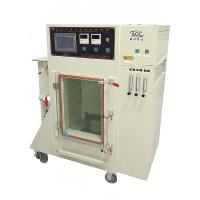
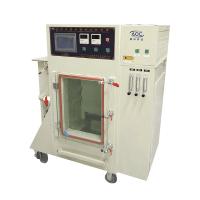
There are two types of testing: one involves exposing samples to the elements and taking measurements at various stages, which can extend over 20 years or more. Another test - called an accelerated test - is done by introducing a corrosive environment in a controlled chamber and testing the results after a few days.
In the atmospheric corrosion test, there are three common specimens as follows:
panel
Stress Corrosion Cracking Specimens
Tensile specimen
The following factors were used to determine the design and interpretation of these tests:
Atmospheric conditions
Specimen shape
The direction the specimen is facing
altitude
Shading, dripping or runoff from other specimens
shadow
pollute
Panel samples electrically insulated from the frame are mounted at a 30° angle to the horizontal and placed facing the source of the corrosive elements. Care should also be taken to avoid contamination that may drip from other panels.
Panels are inspected annually for changes in appearance, and some measurements are also taken at predetermined intervals. Testing typically includes the following:
Thickness reduction
Change in tensile strength
fracture time
piercing time
Time to increase resistance by 10%
Time to rust, 10% rust, or complete rust
malleable change
Weight loss or thickness reduction per unit of time is a useful and most general measure of corrosion. It is usually given in micrometers per year (µm/y) or mils per year (mpy)
The information provided by the test results helps determine the appropriate material and coating process for a specific application and environment. The main industries that benefit from these tests are the aircraft, automotive, transportation, infrastructure and paint industries.