Film formation refers to the process of forming a thin film on a surface when coating on a film-forming material such as a surface coating. During film formation, a low-viscosity liquid surface coating is applied to a solid substrate. After curing this surface, it produces a solid, high molecular weight, polymer-based adhesive film. The film protects the substrate from aggressive substances as well as corrosion.
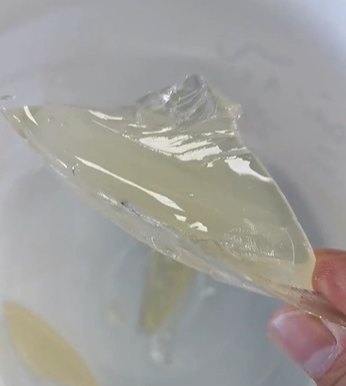
Coatings are mostly liquid and have a suitable viscosity for application to the substrate. The liquid coating transforms into a dry or solid film after application on the material. Powder coatings also liquefy and transform into solid films after application. Physical and chemical changes take place during this process, which is called "film formation". The importance of the film-forming process to the final appearance and function of the coating cannot be overemphasized.
Surface coatings are applied by spraying, brushing or by various industrial processes. This application produces a solid film after evaporation of the solvent in the paint. Surface coatings such as paints, drying oils and varnishes, synthetic clear coatings and other products are used to protect material surfaces from the environment.
Thin films can be formed in several different ways. A simpler method is to dissolve the polymer in a solvent with the desired concentration for the application. After the coating is applied, the solvent is allowed to evaporate and leave a dry film. Since the viscosity of the paint increases as the solvent evaporates, the film dries to the touch quickly after application.
In the case of low molecular weight thermoset resin coatings, less solvent is required and a combination of many chemical reactions occur that eventually initiate polymerization and crosslinking, giving good film properties during solvent evaporation.
