Epoxy floor coating systems consist of two distinct elements: an epoxy resin and a polyamine hardener. These two ingredients are mixed before use. When the resin and hardener are brought together, they chemically react to create cross-linking of the elements as they cure. The result of the chemical reaction is a hardened rigid plastic coating material that bonds well to most substrates.
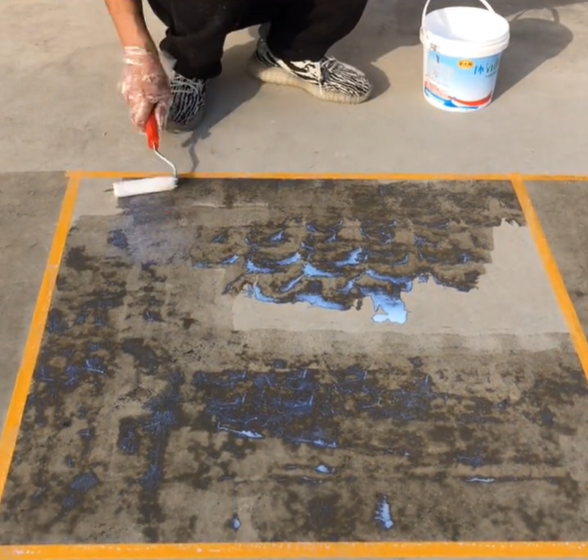
Epoxy floor coatings are known for their hardness, durability and impact resistance. These properties make epoxy coatings ideal for heavy-duty applications such as industrial facilities, warehouses, logistics centers and other areas that may be subject to heavy forklift traffic. Epoxy resins are also known for their resistance to chemical products such as bleach, oil, grease, cleaning agents, etc. This chemical resistance makes it a popular choice for garages in the automotive industry.
One of the main disadvantages of epoxy floor coatings is their difficult application process. Surface treatments, in particular, can be tedious. Epoxy floors should not be used on contaminated, damaged or untreated surfaces. To ensure the longevity of the coating, the floor needs to be free of any grease, oil or solvents. Damaged surfaces also need repair, and the concrete may need to be ground to open up its pores and shape the surface. Additionally, this material takes approximately 7 days to cure; therefore, the turnaround time for epoxy floors is much slower than other coatings.
