Polyurethanes are polymers attached to groups of compounds called urethanes. Polyurethane is essentially a thermoset polymer; that is, it does not melt when heated. To the untrained eye, polyurethane coatings may visually resemble epoxy-coated floors. However, they have unique properties that make them an application-specific choice.
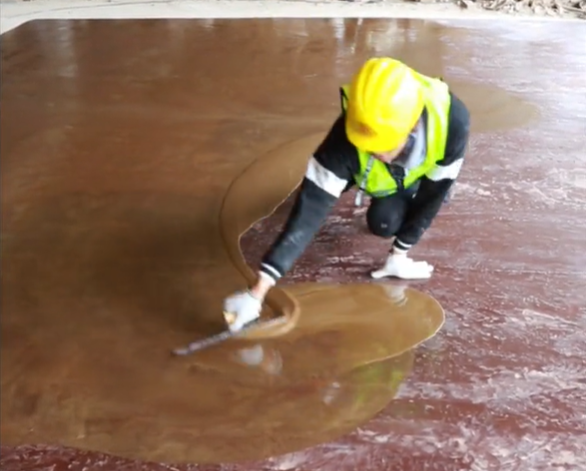
Unlike epoxy resin coatings, which have high hardness and impact resistance, polyurethane floor coatings are relatively softer and more elastic. This characteristic makes polyurethane floor coatings more suitable for areas with moderate to heavy pedestrian traffic. The increased resilience also makes polyurethane-coated floors more resistant to wear and tear, as shock loads are easily absorbed and less likely to cause scratches. The elasticity and flexibility of polyurethanes also contribute to their ability to operate in low-freezing environments.
The properties of polyurethane floor coatings make them a choice for a variety of applications, including parking lots, freezers, and busy commercial facilities such as shopping centers, airports, and hospitals.
Another significant advantage of polyurethane floor coatings is their cure time. Floors coated with this material can be put into use the next day. In contrast, epoxy coatings require at least seven days to cure before being ready for use.
While polyurethanes have many beneficial properties, they also have some disadvantages. First, polyurethane floors are highly sensitive to moisture. When moisture hits the floor, air bubbles form on the surface, causing unsightly blemishes on the surface. Therefore, it is not recommended to use polyurethane floor coatings in high humidity areas. Their limited pot life and moisture sensitivity also make them difficult to use. Therefore, the proper handling and application of polyurethane coatings often requires highly trained and knowledgeable employees.
