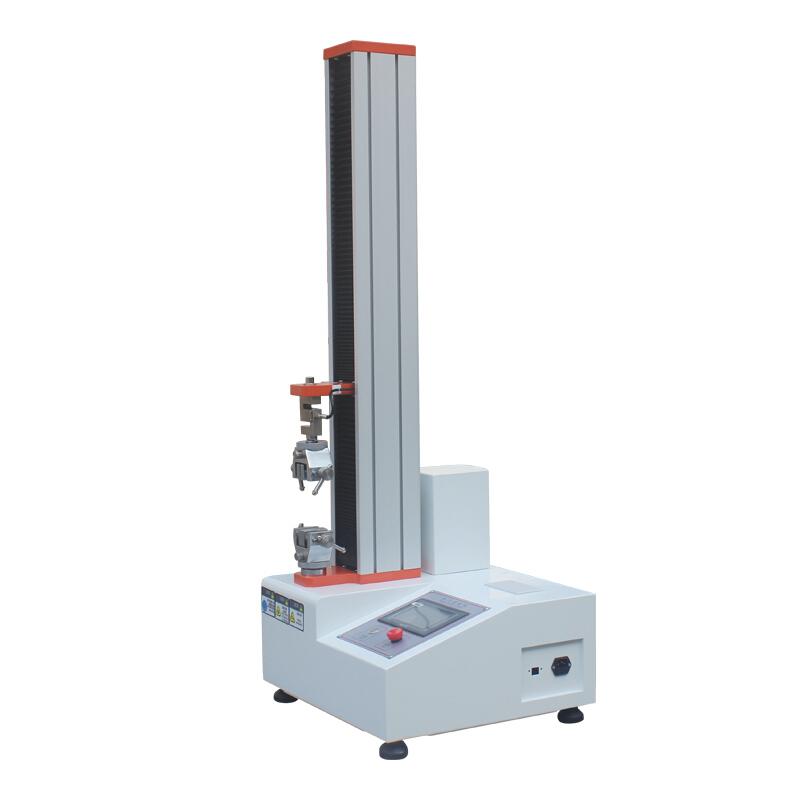
What is a Tensile Testing Machine?
Good fasteners make project management easier and safer. Better fasteners don't just come from - they're made using the right materials and proven processes. Apart from this, they also go through rigorous testing to determine the quality and this is where the Tensile Testing Machine comes in.
What is the Tensile Testing Machine used for?
Tensile testing machine is an electromechanical device used to determine the tensile strength of fasteners. This machine uses tension to determine how much tension and stress a fastener can withstand.
Tensile testing machine parts
The most important part of the Tensile Testing Machine is the test frame. Test frames include additional features such as load frames, test software, jigs and fixtures, load cells, and strain management.
Load frames vary from one test machine to another. Depending on the type of machine, they are available in single or double column configurations.
The test software is a configuration interface for test methods and display test results.
Grips and fixtures are used to securely hold specimens in place when tensile testing is performed.
A load cell is a sensor that measures the amount of force applied to a specimen.
Strain measurements are used to measure the elongation of a specimen.
This seems like a lot to deal with. However, the purpose is to show you how to build a high end Tensile Testing Machine. Remember, this is a way to test the quality of your fasteners before releasing them to the market. Therefore, the machine needs to complete the task.
Types of Tensile Testing Machines
There are different types of Tensile Testing Machines depending on size and purpose. Single or double column configurations are types of Tensile Testing Machines based on size. They are also available in table top and floor models.
Benchtop models are suitable for low-force testing, while floor-standing models are suitable for high-force testing. In addition, the force capacity of different machines varies between 0.02N and 2,000 kN. The different types of Tensile Testing Machines based on usage include:
Low Force Electromechanical Machines - Handles between 0.02N and 50 kN.
Powerful electromechanical machine - can handle up to 600 kN.
Static hydraulic industrial range - Handling forces up to 2,000 kN.
The operator selects the appropriate testing machine based on the required tests and expected results. This helps facilitate quality fastener testing for different projects.
What are the different tensile testing standards?
Tensile testing standards are developed by organizations such as the International Organization for Standardization (ISO) and ASTM International. These organizations set the minimum practicable parameters that fasteners should meet the desired quality status.
This goes a long way in ensuring that only high-quality fasteners are available in the market, which cannot be overemphasized how important it is to manufacture high-quality and safe products. As a design engineer, you don't want to compromise on quality. The good news is that these standards can help you stay on track.
That is, the tensile testing standards are ASTM D638, ISO 527-2, ASTM D412, ISO 37, ASTM E8, ASTM A370, and ISO 6892. However, it is the last three standards that are used to tensile test metals.