Application of plastic film heat sealer
Generally speaking, testing the heat-sealing performance of plastic composite films refers to the heat-sealing strength when the heat-sealing part is still hot and has not cooled to room temperature, and the strength after heat-sealing. Has cooled and stabilized. Obviously, what is important to the manufacturer is the strength of the heat seal after the heat-sealed part has completely cooled. This is because the strength of the heat seal is directly related to the quality of the product and can affect how well the product works over time.
The obvious problem of plastic composite films on the market is that there are too many heat seals, not enough heat seals, and insufficient thermal adhesion. Many merchants do not know the heat-sealing strength and thermal viscosity of the packaging materials they use, or even the quality of the packaging materials they use, so they set equipment parameters such as heat-sealing temperature, heat-sealing time, and heat-sealing pressure. cause problems.
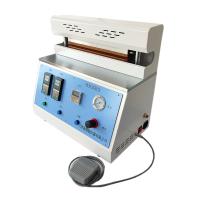
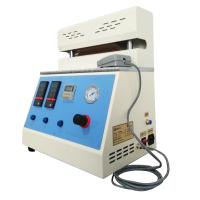
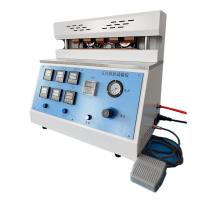
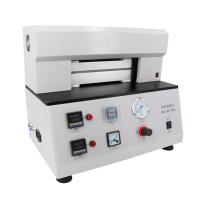
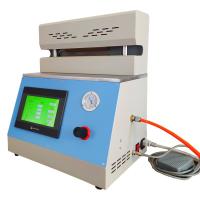
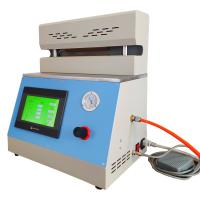
Plastic film heat sealer, also known as film heat seal Tester, can be used to test the heat sealability of different types of films, such as plastic film, plastic composite film, paper-plastic composite film, extruded film, aluminum coated film, aluminum foil, aluminum foil composite Membranes, etc., to reduce economic losses.
Application of flexible plastic packaging
Different materials have different characteristics in heat sealing, and the way of heat sealing is also very different. Most of the time, the temperature at which the film is heat-sealed is higher than the temperature at which the material flows. This is done to ensure a good connection at the heat seal on the film. Within a certain temperature range, as the heat-sealing temperature increases, the flow state of the sealing part of the film becomes better, and the pressed seal becomes stronger. But if the heat sealing temperature is too high, the strength of the sealing table will reach the limit and will not become stronger.
In addition, if the temperature is too high, the film will easily soften and warp, and the bag mouth will even catch fire. For foods that require high-temperature sterilization after heat sealing, more attention should be paid to finding a suitable heat sealing temperature to ensure a firm seal. The packaging material heat sealing test machine adopts the method of rigid heat sealing to measure the heat sealing performance parameters such as heat sealing temperature, heat sealing pressure and heat sealing time of plastic film and flexible packaging materials, so that more heat sealing performance can be found.
Fruit canned sealing film
Businesses and customers are always interested in how open fruit cans are. The product needs to have good opening properties, the cover film of a can of fruit needs to be easy to open, and the product also needs to have good sealing properties. The key to meeting this requirement is to adjust heat-sealing parameters such as heat-sealing temperature, heat-sealing pressure, and heat-sealing time to keep the bonding between the cover film and the cup body within a reasonable range.
Set the heat-sealing temperature, heat-sealing pressure and heat-sealing time on the heat-Sealing Tester, then heat-seal the lid film and cup body of the fruit jar under heat-sealing conditions, and then test the overall sealing performance and opening force. The lamination after heat sealing is the basic process to understand the above control. If the test results are not satisfactory, repeat the process of "adjusting heat-sealing parameters, heat-sealing, testing sealing performance and opening force" until the appropriate heat-sealing conditions are found so that the sample results meet the requirements.