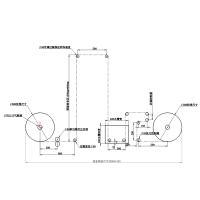
Dip coating
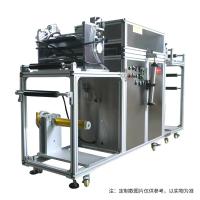
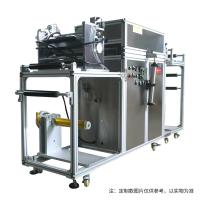
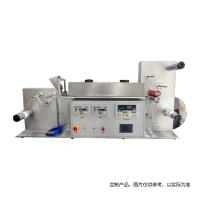
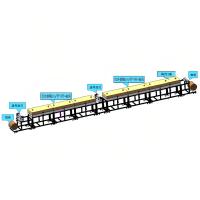
Dip coating refers to immersing the substrate in a tank containing the paint, removing the workpiece from the tank, and allowing it to drain. The coated sheet can then be dried by force drying or baking. This is a popular method for creating thin film coating materials in conjunction with spin coating procedures.
dipping stage
The dip coating process can generally be divided into 3 stages:
Immersion: The substrate is immersed in the solution of the coating material at a constant speed, with as little shaking as possible
Dwell Time: The substrate remains fully immersed and still to allow the coating material to spread itself on the substrate
Withdrawal: The substrate is again withdrawn at a constant speed to avoid any shaking. The faster the substrate is removed from the tank, the thicker the coating material will be applied to the board.
pros and cons
Due to its simplicity, this method is suitable for automation. Film thickness is controlled by paint viscosity and rate of withdrawal from the tank. Dip tanks come in a variety of shapes and sizes to accommodate the largest objects to be coated.
Dip coating also has its disadvantages, including: light parts tend to float off the conveyor; film thickness can vary from top to bottom (the "wedge effect"); a fat edge appears on the bottom of the part when excess coating is lost; and Solvent vapor reflux over the tank removed some of the coating.