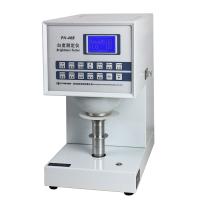
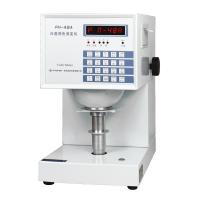
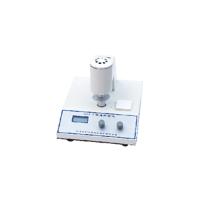
Sometimes, to achieve greater whiteness, the paper industry uses optical brighteners (OBAs). However, OBA can change how whiteness works under different lighting conditions. For example, if the paper is a white backing without OBA, it may look better indoors, but it will appear opaque outdoors compared to paper with OBA added.
Therefore, it is always a wise decision to compare paper patterns under different lighting conditions. Visually inspecting whether a material contains OBA during its manufacture is as simple as using a visual comparison camera with a UV light.
In the case of adding OBA to the paper carrier, it is important to point out that when making the measurements, it needs to be taken into account that although the maximum whiteness range is 100, when adding OBA, the material reflects light UV as visible light, which will lead to measured values greater than 100. This happens because, by reflecting UV light, the mount reflects more visible light than the actual light source emits. Likewise, fluorescent OBAs can cause whiteness values to rise above 100.