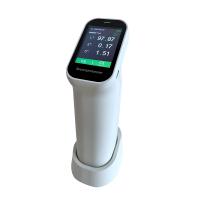
Ensuring the quality of the coffee that reaches the consumer is a task that includes verifying that the grains are roasted correctly.
Color is a parameter commonly used in the coffee production industry as an indicator of the degree of roast. Although other indicators such as pH or chemical composition are also used. Additionally, indicators such as mass loss, grain temperature, aroma or flavor are widely used in the industry.
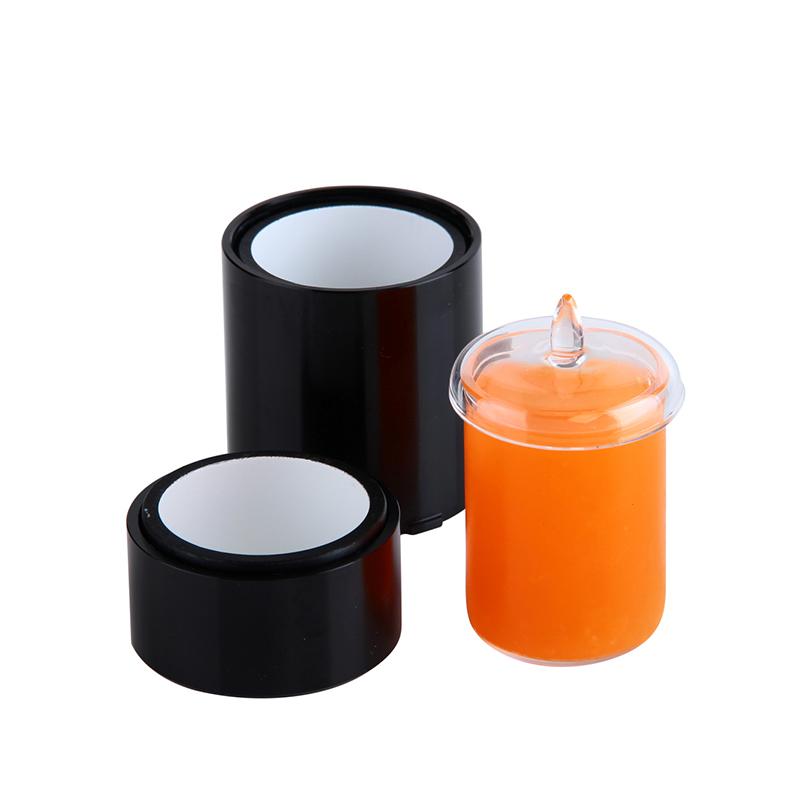
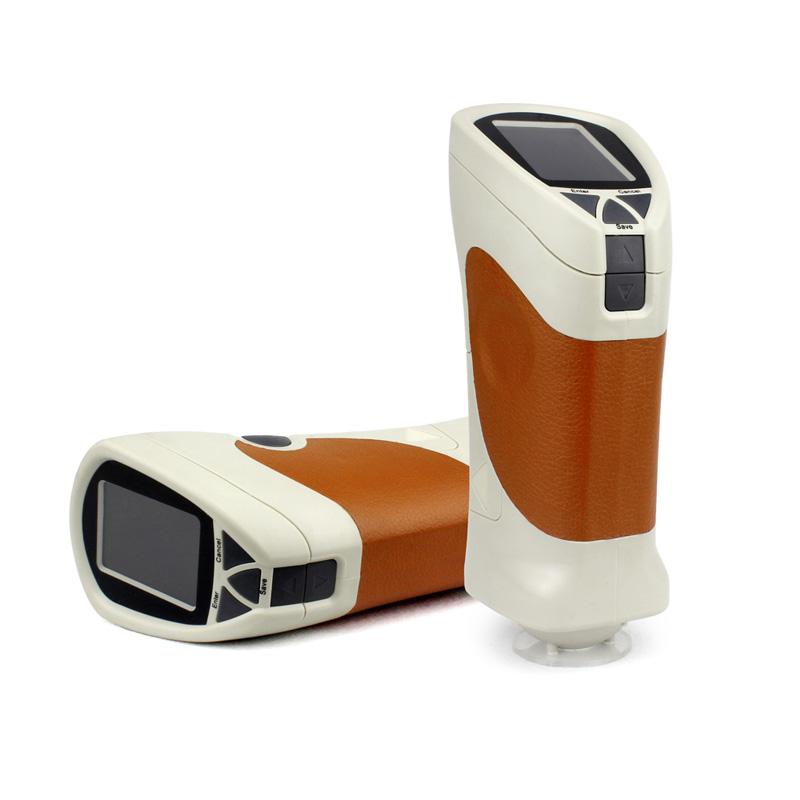
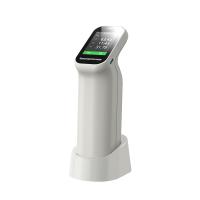
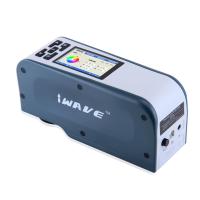
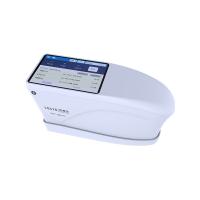
Color measurements in the coffee industry are typically performed using a device called a Colorimeter and its corresponding color standard. The food industry is not an industry that uses this type of measuring instrument. In this way, the packaging industry, the plastics industry or the chemical industry, to name a few, can use the device to guarantee the quality of their production.
The measures provided by this instrument are objective. These measurements are basically based on the same principles by which people perceive color. Values are shown as deviation from standard. Another way to show them is relative to some scale with various roast levels (light, medium, medium-dark, dark). They can also appear as "pass/fail" type values, and can even reference certain industry standards, such as those in the Specialty Coffee Association (SCA, Spanish acronym).
Standards and equipment need to be calibrated on a regular basis so that the production company can in turn assure that the measurements taken are reliable with respect to the standards.