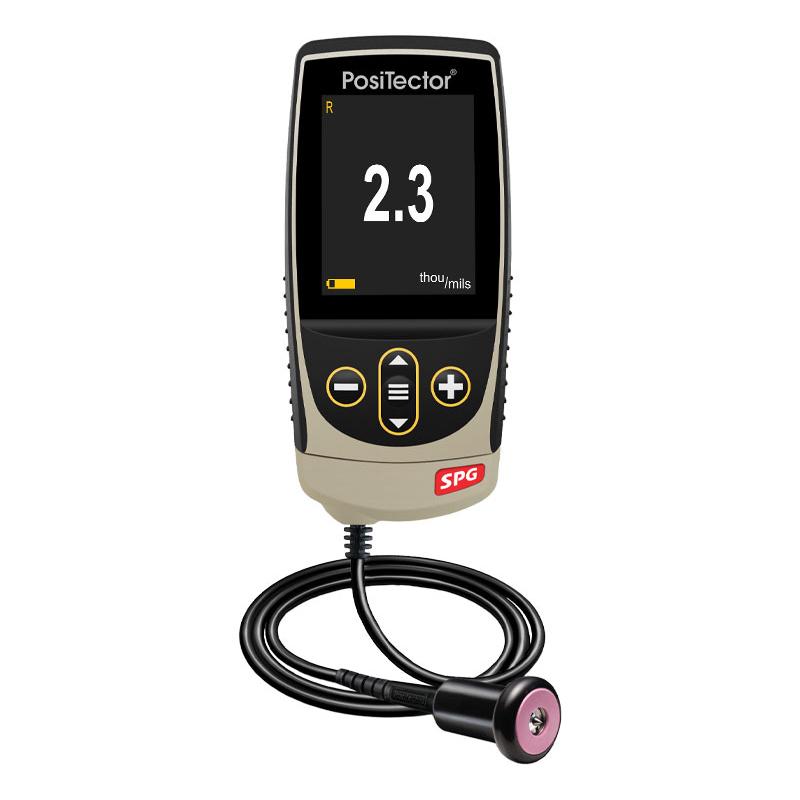
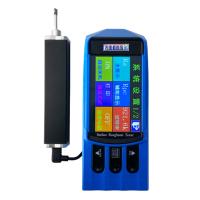
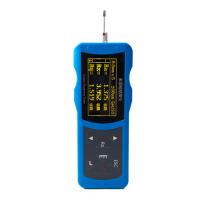
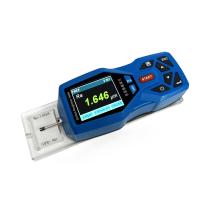
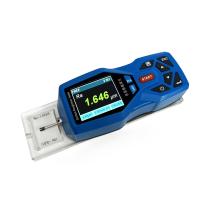
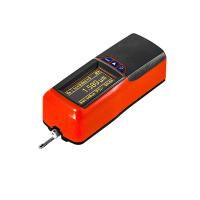
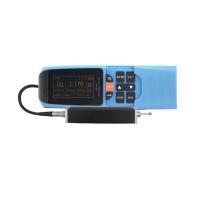
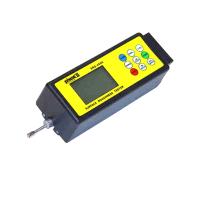
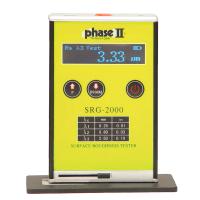
The characteristic of surface quality is one of the important characteristics of parts, and the inspection of surface quality plays an important role in metrology science. In the past, surface roughness was qualitatively and comprehensively evaluated by visual observation or hand touch using standard samples or blocks. At present, the main industries involved in roughness testing are as follows.
Machining and manufacturing
Mainly metal processing and manufacturing. Roughness gauges were originally produced to detect the surface roughness of machined parts. In particular, stylus-style roughness gauges are more suitable for testing relatively hard metal surfaces. Such as: auto parts processing and manufacturing, mechanical parts processing and manufacturing, etc. As long as these processing and manufacturing industries involve the surface quality of the workpiece, the importance of the detection application of the roughness Tester goes without saying.
Non-metal processing and manufacturing
With the progress and development of science and technology, more and more new materials are applied to processing technology, such as ceramics, plastics, polyethylene, etc. Some bearings are now made of special ceramic materials. Yes, and the pump valve etc. are made of polyethylene material. These materials are hard and can replace metal materials in some applications to manufacture workpieces, and their surface roughness needs to be tested during production and processing.
With the continuous enhancement and improvement of roughness meter technology and functions, as well as in-depth promotion and application, more and more industries have found the need for roughness testing. In addition to mechanical processing and manufacturing, electrical, communication, electronics, etc., for example, in the production and processing of couplings such as switches, integrated circuit semiconductors, etc., roughness evaluation is also required, even for stationery, tableware, and human teeth used in people's lives. Surfaces also need to be tested for surface roughness.
Industry Segmentation of Surface Roughness Tester Applications
Automobile manufacturing and spare parts processing
Transmission device for mechanical parts processing
Metal processing equipment and machine tool accessories, functional parts
Process equipment
General machinery and metal forming equipment
Surface Engineering
Metallurgical smelting, rolling, forging equipment
Pneumatic, hydraulic components and pressure vessels
Mold casting, precision manufacturing
Printing, packaging, light industry, textile machinery and medical equipment
Petroleum, chemical, coal, cement machinery and agricultural machinery
Grain, oil, food, beer machinery and pharmaceutical machinery
Electricity, electronic control and electronic communication equipment
Aerospace and Military Units
Institutions of higher learning, scientific research units
Paper Industry
Industrial ceramics, piezoelectric ceramics, electrical ceramics, ceramic grease, porcelain, frosted, high alumina ceramic rollers
Rubber, Epoxy, Polyethylene
Fluid conduit, composite fiberglass temperature muffler duct
Crystal, silicon carbide, graphite, diamond film, magnet
Alloy doors and windows, door handles, seat parts, stainless steel cups, stainless steel tableware surfaces, faucet surfaces
Cadmium-plated batteries, telescope tubes
Copper foil stationery, medium and high-grade nickel-copper-nickel nib, carbide ball, ball seat body, mechanical pencil lead
the medical
Garment Manufacturing Equipment