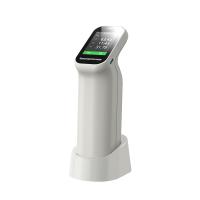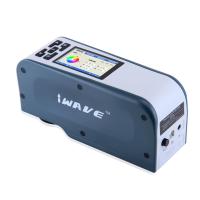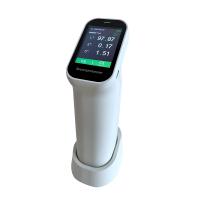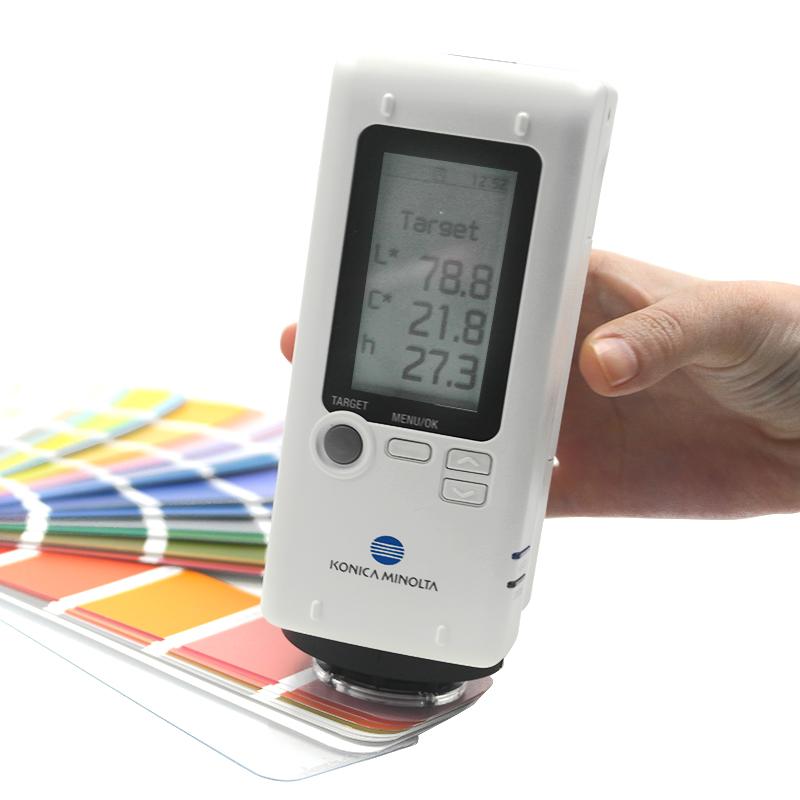
When making color measurements and value comparisons, we need to take into account the measurement conditions, that is, we need to compare with values measured in the same geometry and with the same light source and observer.
Since different geometries are not equal, the values we obtain from measurements with different measuring instruments will not be comparable if the equipment of the same company uses different conditions.
This also needs to be taken into account when the measurement conditions of the company's equipment are different from those of the supplier or customer. Likewise, when a company wishes to comply with the requirements of an identified standard, you need to verify that the color measurement conditions required by the standard are those provided by the measuring instrument, i.e. that your device measures in the same geometry as specified by the standard.
Geometry of Color Measuring Instruments
There are unidirectional lighting systems and integrated lighting sphere systems. The first illuminates the sample from the angle of the concrete, excluding any reflected specular light. If the instrument is measuring in geometry, 45°:0 ° will illuminate the sample from an angle of 45 ° and will measure the reflected light at 0 ° ; whereas if the instrument's geometry is 0 ° :45 ° , it will The sample is illuminated to 0 ° and the reflected light at 45 ° will be detected.
However, the integrated illumination sphere system illuminates the sample evenly from all angles. If the instrument performs the measurement in the mode including specular reflection (SCI), the specular and diffuse light is taken into account, ie using the trough 8 °: di. On the other hand, if the instrument performs measurements in specular mode exclusion (SCE), the geometry 8 °: de does not take into account reflected specular light. The integrated illuminated sphere system can perform measurements in both specular reflection mode (SCI) and specular mode exclusion (SCE); therefore, Eyco recommends calibrating the device for the geometry that needs to be measured.
Laboratory Tests: Results
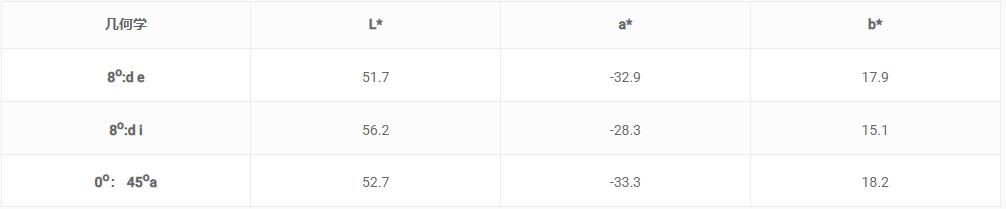
To illustrate how samples of the same color can obtain different values depending on the geometry used by the measuring instrument, we show the results of several laboratory tests below.
In the first case, we measure the orange sample using different Spectrophotometer s at 8 °: de, 8 °: di and 0 °: 45 ° . The result is as follows:
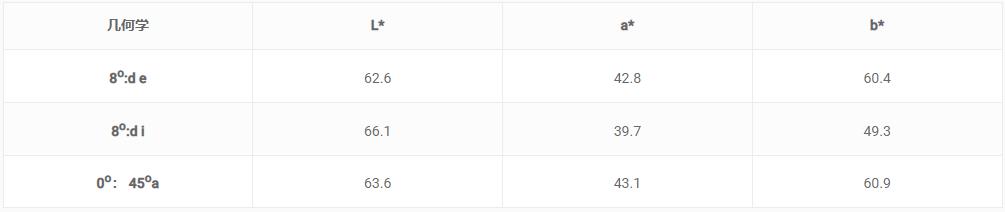
The different results are also reflected in the green sample measurements: