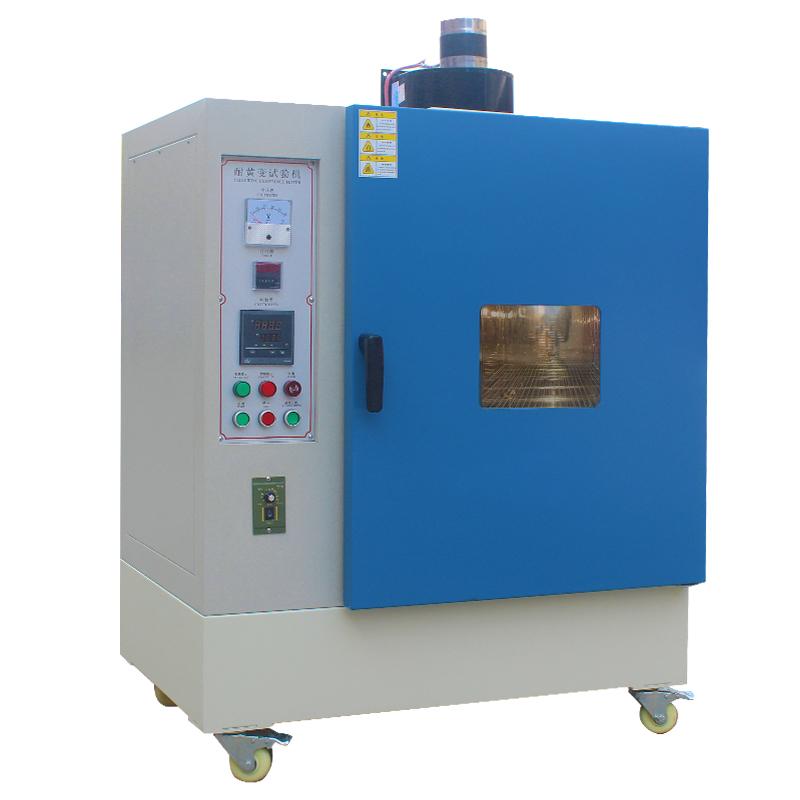
To understand the aging resistance of a material or product, it is necessary to do some artificial accelerated aging tests. The following are some common aging test items and standards.
conventional products
ASTM G151, ASTM G154, ASTM G155, JIS D 0205, SAE J2020
Coating aging test standard
ASTM D3794, ASTM D3451, ASTM D4587, ASTM D3794, Israeli Standard No. 330, 385, 935, 1086, ASTM D6695, Korean Standard M598-1990, ISO 11341, NACE Standard TM-01-84, NISSAN M0007
Aging test standard for plastic products
ASTM D2565, ASTM D4459, ASTM D4329, ASTM D4101, ASTM D4674, ASTM D5071, ASTM D5208, ASTM D1248, DIN 53 384, ISO 4892
Materials for Printing Inks/Artists
ASTM D3424, ASTM D5010, ASTM D4303, ISO 12040
Adhesive material test standard
ASTM C24.35.31, ASTM C1442, ASTM D904, ASTM D5215
Evaluation of Aging Test Results
You can get good durability data with an accelerated weathering Tester. But you need to be aware that the figures you are getting are comparative figures, not absolute figures. The best results you can get from laboratory weathering tests are a reliable indication of the relative durability rating of one material versus another. In fact, the same argument applies to the Florida exposure test.
Nobody knows how a year of exposure in a 5° south facing outdoor "black box" would compare to a year of aging in a room or car. Even outdoor testing can only give a relative indication of actual runtime. However, comparing data can be very effective.
For example, you might discover that a small change in design could double the durability of a standard material. Alternatively, you may find identical looking materials from multiple suppliers, some of which will age quickly, most of which will take a moderate amount of time to age, and a small percentage of which will take longer to age when exposed to sunlight . Or you may find that for a standard material that performs satisfactorily over a practical lifetime (say 5 years), a less expensive design is equally durable.