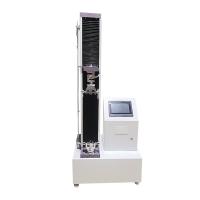
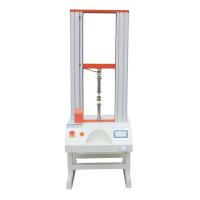
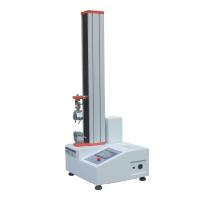
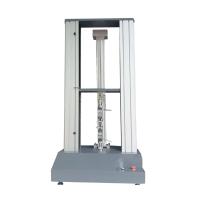
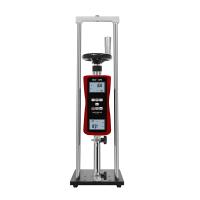
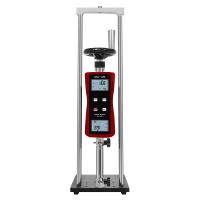
compression test
The test sample is usually placed between two plates, the applied load is distributed over the entire surface of the two opposite sides of the test sample, and the two plates are then pushed together by the Tensile Testing Machine, causing the sample to be compressed. A compressed sample typically shortens in the direction of the applied force and expands in the direction perpendicular to the force. Compression testing is essentially the opposite of the more common tensile testing.
The purpose of compression testing is to determine the mechanical properties of a material when subjected to a compressive load by measuring fundamental variables such as strain, stress, and deformation. Compression testing of materials allows determination of compressive strength, yield strength, ultimate strength, elastic limit and modulus of elasticity, among other parameters.
What are some common compression testing applications?
Compression Testing Equipment and Procedures for Cellular Foams | Tensile Testing Machines
Steel Stress-Strain Compression Test | Tensile Testing Machine
Compression Testing Machines - Biomedical Hydrogels | Tensile Testing Machines
Cement mortar compression test | Tensile testing machine
Compressive strength test of shaped stone | Tensile testing machine
Compression testing of electronic keypads and LCDs | Tensile testing machines
Compression Testing of Gasket Materials | Tensile Testing Machines
How to choose ceramics for compression test | Tensile testing machine
Compression testing of plastic composites | Tensile testing machines
Compression testing of plastic composites | Tensile testing machines
Plastic Compression Testing | Tensile Testing Machines
Compressive Properties of Rigid Foam Plastics (ISO 844 and ASTM D1621)
Static and dynamic compression of rubber and elastomers
Compression testing of electronic components
Testing of electronic circuit boards and assemblies
What are the common compression testing standards?
ASTM D575 Rubber Compression Test
ASTM D6641 Compressive Properties of Polymer Matrix Composites Using Combined Load Compression (CLC) Test Fixtures
ASTM D695 Test Method for Compressive Properties of Rigid Plastics
ASTM D7137 Test Method for Compressive Residual Strength Properties of Damaged Polymer Matrix Composite Panels
ASTM D905 Test Method for Strength Properties of Compressive Load Shear Adhesives
ASTM E9 Compression Testing of Metallic Materials at Room Temperature
ISO 14126 Fiber reinforced plastic composites - Determination of in-plane compressive properties
ISO 1856 Flexible Cellular Polymer Material Compression Kits
ISO 604 Plastics - Determination of compressive properties
ISO 844 Rigid cellular plastics - Determination of compressive properties