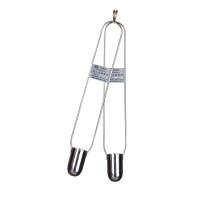
Overview of ink viscosity testing
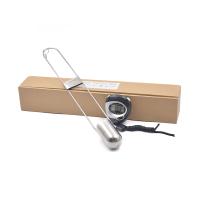
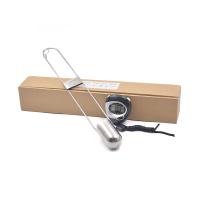
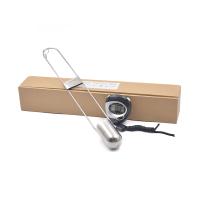
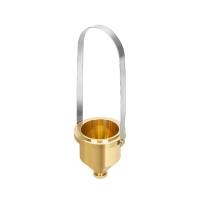
Liquid ink viscosity is relatively low, so the fluidity is generally very good. The method of ink viscosity detection is actually very simple. Just buy a Viscosity Cup and a stopwatch to detect ink viscosity.
Ink is mainly composed of three parts: film-forming substances, solvents and fillers. The influence of these substances on the rheological properties of coatings mainly lies in the low shear rate, such as the flocculation of pigments and the existence of various additives, the formed structure makes the viscosity change greatly; at high shear rates, the structure is destroyed, and the viscosity presented is close to the influence of the resin solution itself and dispersed particles on the viscosity. The viscosity coordination at high-low shear rates enables the ink to have a rheological performance that meets the requirements of storage and construction.
Ink viscosity detection method
Stir the ink sample used for testing evenly, then immerse the Viscosity Cup in the sample ink, and then bring it up at an average speed. When the Viscosity Cup is just pulled out of the ink surface, press the stopwatch to time, observe the ink outflow, and press the stop stopwatch when the ink just has a breakpoint.
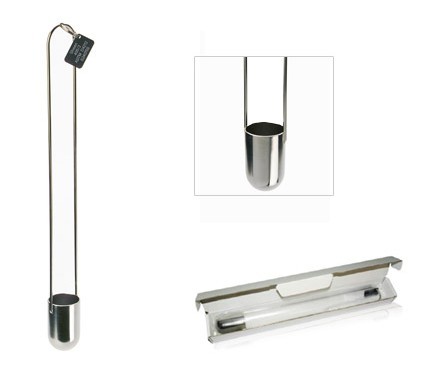
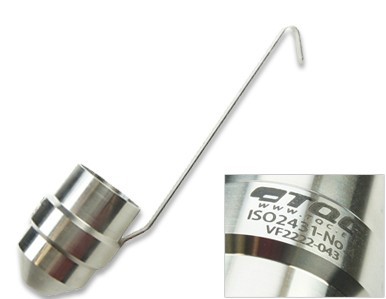
At this time, the time on the stopwatch is the viscosity value of the ink. If the viscosity is high, of course, the number of seconds is large. On the contrary, the number of seconds is small.
Of course, the viscosity of the ink will also change depending on the temperature. Generally, the detection temperature of the test is fixed at about 25 ℃. By the way, there is no obvious correlation between the temperature and the color of the ink, and it only has some impact on the performance of the ink when it is printed on the machine.
Main testing items of ink
Water content, permeability, relative density, surface tension, pH value, viscosity, color, gloss, fineness, initial dryness, tinting power, absorption performance, adhesion fastness, anti-adhesion performance, flow performance, medium resistance, Light resistance, sun resistance, temperature resistance, aging resistance, etc.
Fourth, the specific detection of ink
1. Hue detection of ink hue and tinting force. Tinting force is the basic item of ink detection, and they have a great influence on the color of the ink. Hue is the specific characteristic of ink color, which optically corresponds to light of a certain wavelength and frequency. For example, red, yellow, and blue refer to the hue of the ink. Tinting force refers to the degree to which one ink affects the color of another ink.
2. Detection of ink viscosity Liquid ink viscosity is relatively low and fluidity is better
3. Light resistance testing of ink. The light resistance of ink refers to a performance of ink to maintain stable color after seeing light. Kebiao Inorganic Testing Center specializes in providing ink viscosity testing, ink light resistance testing, ink tinting power testing and other related testing services!