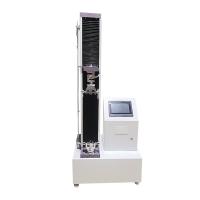
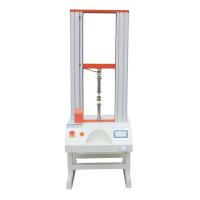
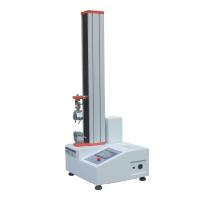
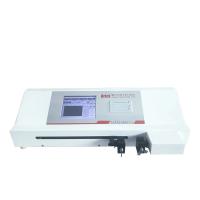
The importance of tensile properties in the plastics and rubber industry cannot be overstated. It plays an important role in being a deciding factor when we claim the quality of any material. Tensile properties are tested by various inspections. However, the right method and machine can determine the right assessment and its accurate results. Therefore, remember: when testing the quality of raw material batches before production, you need to trust the product that is accepted by many, accurate and most familiar.

What is a tensile strength test?
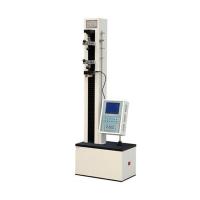
Tensile strength testing is a form of inspection performed by a manufacturing unit or part manufacturer to ensure that their product has the required tensile strength. Clamp the product between two tight mechanical grips and stretch them to the maximum level until the tested sample does not develop cracks in the same grips. Sometimes stretching may continue to see the ultimate level of damage, that is when it breaks down completely enough to resist the increased tensile strength. While stretching is in progress, calculate and record the amount of tension projected onto the sample. This is how people decide the quality of a product. Let's assume a rubber sample needs to give X amount of tensile strength, but it could be less or more than that amount, then it could create future problems when used by the end customer or create problems in the application. Therefore, it is desirable to have a machine that can accurately measure tensile strength and help manufacturers select batches of material that meet their requirements.
Which products are tested for tensile strength?
Products such as rubber may be in pure or mixed form, while plastics may be a composite of one or more materials. Any material that needs to be stretched is a product for testing tensile strength.