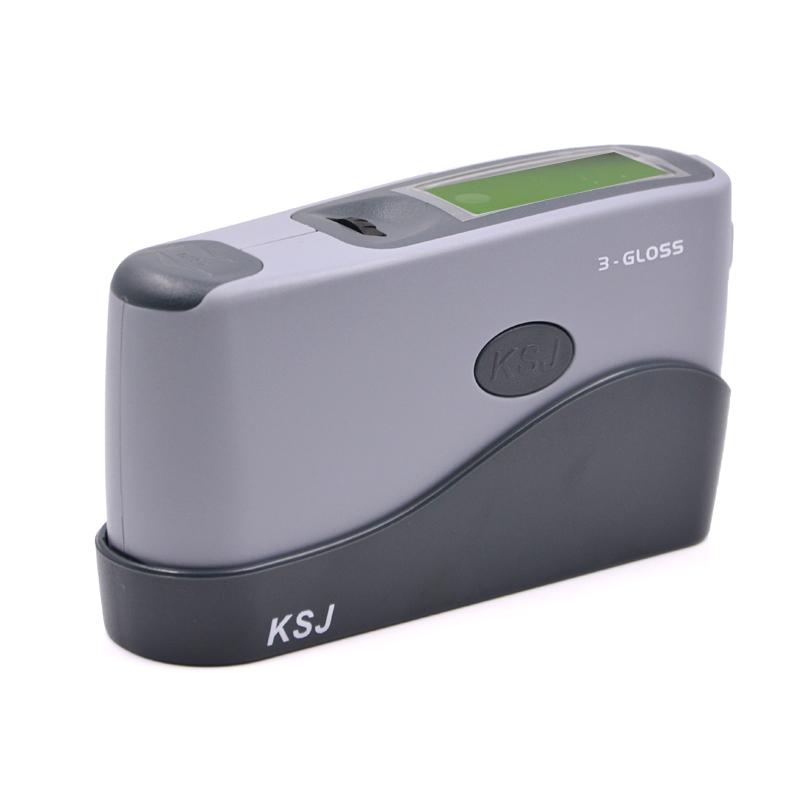
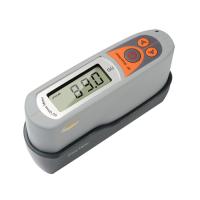
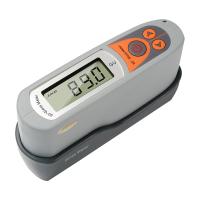
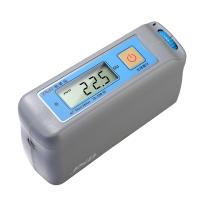
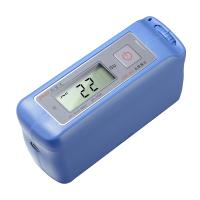
Gloss meter for the automotive industry
Gloss Meters on Dashboards The automotive industry invests in delivering good products with gloss and color levels that are most appealing to the end customer. Gloss ranges from mirrored chrome parts to very matte "soft touch" interior plastics. Automotive interior design is becoming increasingly important in purchasing decisions. A big challenge for every automaker is to achieve a high value "feel" while keeping costs to a minimum. Materials ranging from leather to plastic are used in the automotive sector and require coordinated color and gloss. The design team specifies color, sheen and texture. Once a new color or material or process is approved, a new "style" is produced and ready to be implemented. In order to guarantee a uniform appearance across the various gloss levels of automotive parts, very tight tolerances are specified. Typical automotive gloss tolerances can be 0.3 or 0.5 GU using a standard 60 degree gloss meter with gloss levels below 5 GU. With these tight color and gloss tolerances, visual evaluation is not possible.
As a starting point, the main standard boards made by automotive customers often have flat and multiple grain areas. These are sent to automotive suppliers as their gloss targets for actual production parts.
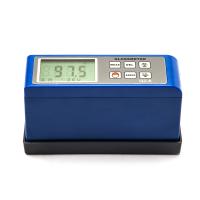
Since main trim and final parts are often made of different materials, suppliers work closely with automakers. Finally, final approval is given for the color and gloss of the production part of the car. This automotive production part is now the supplier's color and gloss standard. Since gloss cannot be assessed visually, a digital gloss meter is required.
High-gloss finishes for bodywork use a 20° angle to control gloss. Mid-gloss plastic and wood finishes are controlled using the 60° geometry, and matte interior plastics can also be measured using 85°.
Paint and Coating Gloss Meters
Most paints and coatings control gloss from formulation, to periodic inspections during manufacture, and finally during application. Variations in gloss anywhere in the process can cause significant visual differences in the batch delivered to the end user. Tight control of gloss means producing products with maximum visual impact and avoiding rejects. The protective coatings industry monitors gloss over the life of the paint, as gloss levels decrease as paint ages. When it reaches a preset level, the structure is repainted to ensure the coating achieves a longer life without corroding the structure it protects. Paints and coatings are primarily controlled using the 60° corner geometry, with additional 20° and 85° geometries for high gloss and matte coatings.
Gloss meter for furniture industry
Furniture can be painted, coated, varnished or stained to any gloss from very matte to the highest gloss. Throughout the process, it is necessary to control the gloss of the product to ensure batch consistency and to check that the coating has been applied and dried properly.
Unexpected gloss levels are often an early warning of problems with the paint formulation, application weight or cure method.
The 60° geometry is standard in the furniture industry, with some customers specifying additional 20° and 85° angles.
Plastic Industry Gloss Meter
The plastics industry produces products of all shapes and sizes that require gloss measurement. Many of these, including plastic products used in the construction industry such as double-glazed window moldings, are measured using a 60-degree angle. Subtle gloss differences in these products may result in customer rejection and may indicate a problem with the manufacturing process or with the quality of the plastic raw material.
Using a gloss meter designed for curved surfaces is a good option.
Metal Surface Gloss Meter
Metal parts and products are often plated, painted or polished to make them attractive to the end user, or as a functional protection from corrosion or wear. As part of these processes, gloss is often used as a quality control measure. In the steel rolling industry, a 45° gloss meter is used to evaluate the quality of rolled steel. 60° and 20° gloss meters are used to inspect the finish of flat plated and polished metals.
Polished Stone Gloss Meter
Natural stone is processed into items with many different finishes, depending on its end use. Marble and similar materials are polished to produce a high-gloss surface, while other stones remain rough and matte in appearance.
The three angles of the 20/60/85 degree gloss meter provide greater flexibility, ensuring that batches of stone products are visually matched and optimizing the manufacturing process so that the correct amount of polish is consistently applied to each surface while improving Provides resolution for matt and high gloss stone finishes.
Gloss Meter for Printing Industry
Gloss is an indispensable measure in the printing industry. Packaging and magazine covers are routinely UV varnished for a high-quality gloss that appeals to consumers, and corporate brochures are laminated and varnished professionally to provide contrasting matt and gloss finishes.
Reduced gloss of the coating may also indicate curing or drying problems. For example, a drop in the output of a UV curing lamp can have a catastrophic effect on the quality of printed food cartons; uncured ink and coatings can rub off the paper and even contaminate the food the carton is intended to protect.
These problems can be avoided by monitoring the gloss of UV varnishes. Use the continuous readout feature on our gloss meters to evaluate gloss changes on large printing papers in seconds. Paper gloss is usually quantified using a 75° gloss meter.
Most gloss levels in the industry are typically quantified using a 60° geometry to ensure consistency of print and finished visual appearance.