During the drying process of the coating film, the air bubbles or solvent vapor bubbles remain in the paint layer, the surface paint film is formed rapidly, the bubbles expand and overflow through the paint film, forming surrounding bulges, and the phenomenon that there are holes in the bubbles is called a bubble hole.
The damage phenomenon of the paint film with a pinhole in the center of the bubble is called a bubble pinhole; in severe cases, the bubble explodes the paint film and overflows, and the pore diameter reaches 0.3~0.8mm, which is called a burst bubble hole.
Etiology
Its etiology is basically the same as that of air bubbles. It is formed by the expansion of gas under the following specific conditions, which makes the paint film of air bubbles perforate and rupture.
1) The coating environment is dry and hot* or the air flow is too fast.
2) The spraying air pressure is too low, and the paint film layer is sprayed too thickly.
3) The interval time (ie drying time) between each spraying channel is insufficient.
4) Heating (heating) too fast after spraying.
5) The heating source is overheated or too close to the paint surface.
6) The thinner used is not suitable.
7) The putty coating and scraping technique is poor, and the gaps and greasy layers of the object to be coated are not sealed.
prevention
1) Use specified solvents and add suitable additives in dry and hot working environment.
2) Use the correct air pressure to control the thickness of the paint film.
3) Allow sufficient drying time between layers and before drying.
4) Check the temperature of the drying chamber and the steel plate of the car body, and adjust them appropriately.
Remedy: Same as bubbles and pinholes.
pinhole
The phenomenon that there are needle-shaped holes or small holes like leather pores on the coating film is called pinholes. The diameter of the holes is about 100 microns. It not only has pits on the surface, but also reaches deep to the bottom layer. Small holes or blisters on the coating surface caused by flux residues at the welding site are called flux pinholes, and pinholes with a diameter below the pore size generated by electrolytic bubbles during the electrophoretic coating process are called electrophoretic pinholes.
Etiology
1) The paint has poor fluidity, poor leveling, and poor release of bubbles. Especially the color paint is sprayed on the primer or topcoat layer with coarse film phenomenon.
2) There are small holes on the surface of the object to be coated. Leveling work done prior to repainting did not completely remove pinholes remaining in the original paintwork.
3) Insufficient drying after spraying, too rapid temperature rise during drying, and too fast surface drying.
4) The temperature of the object to be coated is too high or the surface of the object to be coated is polluted (such as welding powder, etc.).
5) Foreign matter (such as water) is mixed in the paint.
prevention
1) Dry spraying of primer or first topcoat should be avoided. Determine the correct spray viscosity and spray air pressure.
2) Effectively level the old paint surface to remove all existing pinholes. Make sure the surface to be coated is clean. Pay attention to the temperature of the object to be coated.
3) Correctly master the scraping technique, and spray the leveling primer on the putty parts.
4) After spraying, it should be dried according to the specifications, and the temperature should not be raised too quickly during drying. The addition of slow evaporating solvents slows down the tack of wet coatings.
5) Improve the coating environment and prevent foreign matter from mixing into the paint.
remedy
1) Wet or dry sand the affected paint film to a depth that can actually eliminate pinholes and then respray. Or remove the damaged paint surface to expose the substrate and re-spray. Never try to fill the pinholes with continuous dry spraying of leveling primer.
2) The pinholes exposed after the putty layer is polished should be aligned with the surface to be coated with a scraper!" #Coat a thin layer of putty. was dragged out.
Note
1) If pinholes become a common problem in spraying workshops, you should check and adjust various factors that help the surface to dry quickly - the viscosity of the paint, the type of thinner, the ambient temperature and the air flow.
2) The etiology and prevention of electrophoresis pinholes are detailed in the next section. The article "Disadvantages, causes and prevention of electrophoretic coating film".
Example of bubble holes: In the process of debugging the automatic electrostatic coating machine and the new topcoat spraying line of two automobile factories, the coating on the parts with frequent respraying (door frame, upper part of the door panel) and the surface of the hot air outlet in the drying room After the film is dried, there are paint film defects such as "heat rash" and pinholes.
Etiology
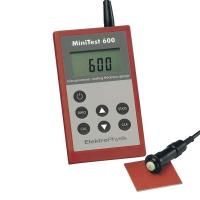
1) Spraying film thickness (instrument: coating Thickness Gauge) exceeds the construction limit film thickness of the synthetic resin baking paint used (such as > 50 microns), generally two coats of "wet-on-wet" topcoat or one cup-type automatic electrostatic coating machine For spraying, the thickness of the coating film should be controlled within the range of (40±5) microns;
2) If the drying time is insufficient or the temperature rises too quickly, the painted surface of the paint film will be closed prematurely, and the solvent in the film will not be volatilized, and then the solvent vapor will bulge the surface film, and the bulged ones will become pinholes, and the unbroken ones will become pinholes. Occasions become "prickly heat".