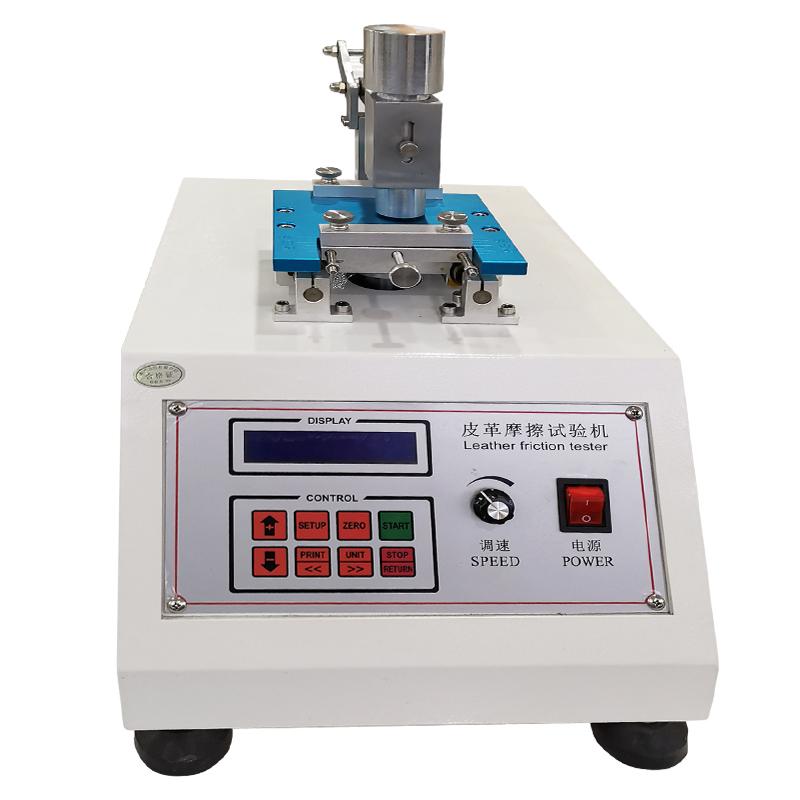
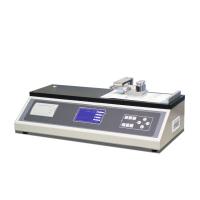
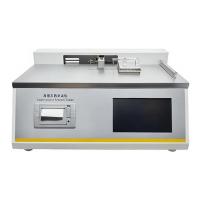
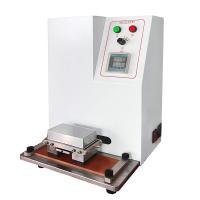
Most manufacturers working in the packaging industry use polyethylene films that cause static and dynamic friction. Therefore, it is important for you to test the sliding friction of these films to reduce any slippage they cause during shipping or transportation. So, by using a coefficient of friction Tester, you can easily reduce the packaging issues that mainly occur during shipping and shipping. This easy-to-use instrument provides you with impeccable test results that drive your business growth.
Friction present in packaging films can lead to accidents during loading or transport and transport. Therefore, it is very important to test materials more effectively to reduce any damage to the product. By testing the static and dynamic friction of packaged products, you will be able to control the packaging and reduce any further damage. In this article, we will give you basic information about friction Tester coefficients .
How does the coefficient of the friction Tester evaluate the friction of plastic films?
Polyethylene films are used for packaging purposes which are very slippery in nature. This property of the plastic film will help avoid any friction in the packaged product. So, to test how two surfaces will behave when they slide against each other , you can easily use the Coefficient of Friction Tester from your testing instrument. The dimensionless value of the coefficient of friction is the ratio of the force required to slide a surface to the force perpendicular to the surface . A lower coefficient of friction indicates a smoother surface, which means less resistance to sliding motion. The coefficient of friction value is related to the slipperiness of the film.
Therefore, by using this laboratory testing instrument, you can easily evaluate the coefficient of friction of plastic films. It needs to be removed every time you take this test with the help of this lab test instrument . This is because it may lead to false test results. Therefore, it is very important to test the friction of materials without further damage.
Features of Coefficient of Friction Tester
Clips are provided to attach the sample to the glass plate.
A safety switch is provided on the terminal face to stop the movement of the load cells as well as the weight.
Provides dynamic and static friction.
Speed knob.
Digital display of dynamics and dynamic friction.
Calibrated to ISO specifications with a calibration certificate traceable to (NABL)
Steps to Begin Testing Using the Friction Tester Coefficients - Numerical Model
From preparing your test sample to placing it correctly, you need to take care of everything when you start testing with our laboratory testing equipment. These things require attention to get accurate test results. Here, we have listed the steps mentioned below.
First, you can start by placing your sample on a glass plate. Screw the sample onto the glass plate with the help of fly screws attached to the corners. Use the toggle switch to move the slider to the left. Now, attach the test block to the slider with the help of a string so that the load cells must not touch the flying clips.
Plug the power supply into a power outlet with a 3-pin 5-amp configuration. Open the main button from the control panel.
Turn on the light on/off switch from the load indicator. Once the above is done, set the test speed, use the speed regulator pointer at point 5, then switch to the correct direction, use the toggle switch to move the slider to the right of the machine
The load will start indicating values on the digital display as it goes through the weight. Note down the load reading on the digital screen to evaluate the kinetic friction value.
When the machine reaches the right side, it will stop automatically. Press the memory key once to access the static friction value.