Two-component low-temperature automotive coatings generally refer to two-component automotive polyurethane resins and acrylic polyurethane topcoats (including natural colors, metallic flash colors, and clear varnishes). Its decorative appearance, weather resistance and other properties have reached the level of OEM topcoats, and it has become the mainstream of topcoats for automotive repairs and coatings for automotive plastic parts. Coated objects with large heat capacity (such as minibuses, coach bodies, construction machinery, high-grade railway passenger car carriages, subway carriages, etc.), which cannot withstand high temperature baking (such as plastic parts) and non- Topcoat for coating production lines in drying conditions. In a broad sense, two-component low-temperature automotive coatings also include two-component epoxy resin primers, intermediate coats, and putty putty.
The difference between two-component paints and ordinary (one-component) paints is that they are packaged, stored, and transported separately from the paint factory, and are formulated and used in a certain proportion before use. After two or three components are mixed, there is a certain life span (generally 3~8h), which varies with the type, composition and manufacturer of the paint, and should be implemented according to the life span specified in the product technical conditions. It needs to be sprayed during the lifetime, and if it is used beyond the lifetime, it will affect the performance of the coating film, and even the viscosity will increase or gel, making it impossible to apply.
Based on the construction characteristics of the above-mentioned two-component low-temperature automotive coatings, the etiology and prevention methods of coating defects generated during the coating process are different from those of single-component coatings for general industrial coating. The paint film disadvantages commonly encountered in the painting process and car repair painting using two-component low-temperature automotive coatings and their prevention and treatment are listed in Table 7-1-5 for readers' reference.


Remedy: According to the severity and nature of coating defects, there are generally the following three remedial methods.
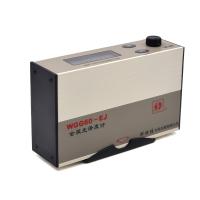
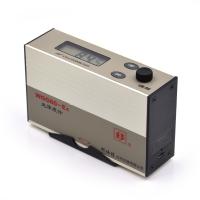
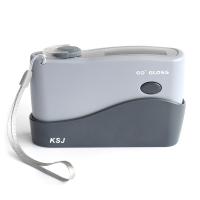
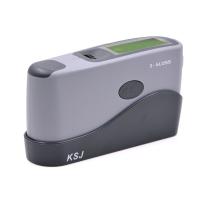
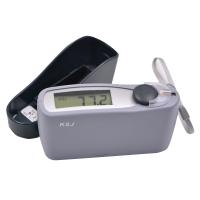
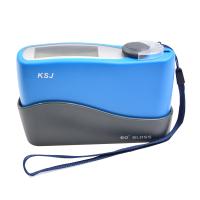
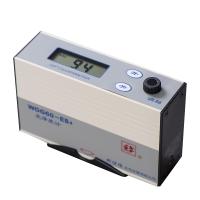
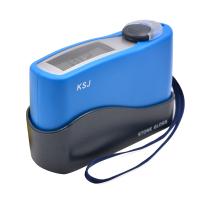
1) Grinding and polishing method: It is suitable for fine sandpaper grinding, polishing paste polishing, and can restore the original luster after waxing (relevant instrument: gloss meter) , color and other appearance decoration, light coating defects. Such as: a small amount of sparse particles, water marks, sagging, orange peel, etc.
2) The method of grinding and re-spraying the topcoat: It is suitable for repairing serious coating defects.
3) Effectively remove the topcoat layer and defective primer layer, and repaint from bottom to surface. Suitable for film defects where the topcoat layer cannot be repaired or has lost its integrity. Such as: bottom bite, air bubble pinhole, severe shrinkage cavity, putty printing, etc.