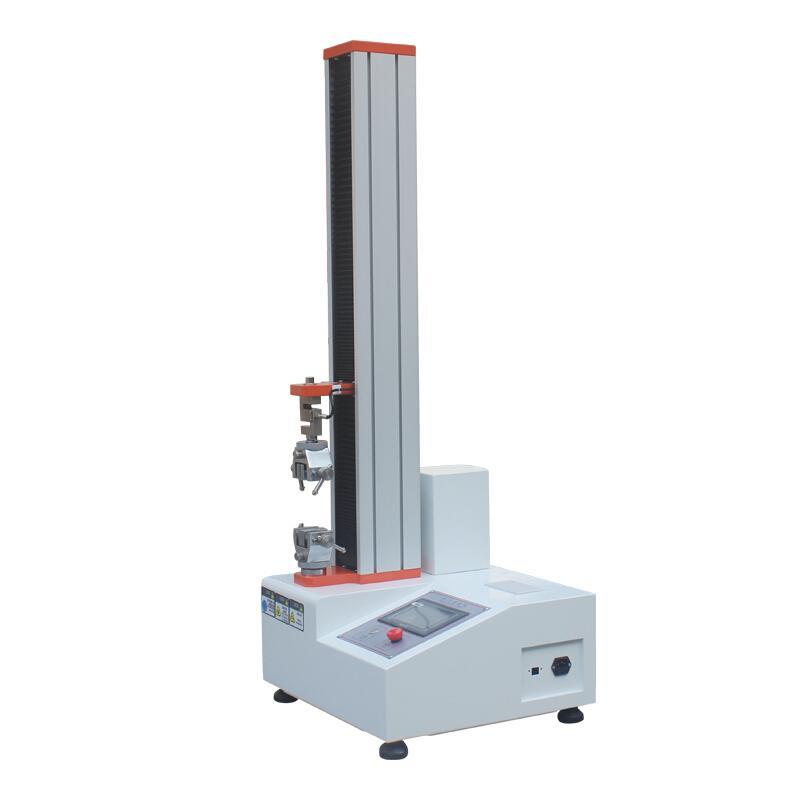
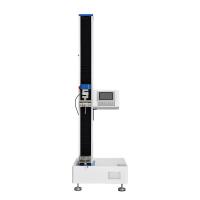
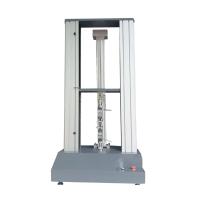
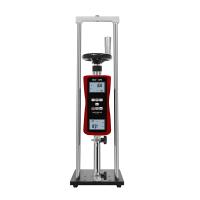
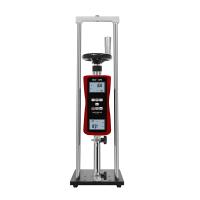
Tensile tests can be performed on a variety of materials such as metals, plastics, and rubber. This is considered one of the basic tests to help you understand the tensile strength of a material.
Tensile Testing: An Effective Method of Testing Materials for Compressive and Tensile Strength
Tensile testing is one of the common methods used by manufacturers in many industries to test the tensile properties of materials. Thus, with the help of a Tensile Testing Machine, you will be able to determine the breaking, compressive strength as well as tensile strength of various materials. The digital and computerized model of this laboratory test instrument is based on the constant traverse rate (CRT) principle. We have embedded a range of advanced features in our laboratory testing instruments to make it easy for you to take the test.
features
The strength of a material will depend on different factors that affect its quality. Using a Tensile Testing Machine, tensile tests can be performed on plastics, rubber, adhesives, etc. This test will give you an accurate analysis of the maximum tensile load the material can withstand.
• Highly sensitive load sensor with linear characteristics and repeatability
• Single column solid construction
• Safety limit switch to ensure overtravel safety
• Hardened lead screw for frictionless movement
• Microcontroller-based high-precision system control
• Provides peak hold function (maximum value stored in memory)
• Bright LED display
• Analyze the results immediately after the test, completely accurate and accurate
Mistakes and how to avoid them?
We all know that poor quality testing is bad for product testing. Therefore, you should be careful while doing any quality testing on the product. Here we list the common mistakes people make when using a Tensile Strength Tester. We also list ways to avoid this error.
Most of the people are facing the problem of inaccurate test results. This may be due to improper placement of the test sample. Therefore, you should place the test sample accurately on the test instrument to ensure that you will get highly accurate test results.
When testing the tensile strength of a specimen, you may get unexpected test results. This can happen due to a calibration issue in the machine.
Not knowing a machine's load cell capacity can lead to quality testing errors. Therefore, you can easily fix these errors by knowing the technical specifications of the test machine.
Wrong size grips in the machine can also cause testing errors. Therefore, you should use a variety of standard grips with the help of a tensile testing expert to obtain guaranteed accurate test results.
Most of us tighten the clamps incorrectly when placing samples. Therefore, you should make sure to tighten the clamps accurately so that you don't run into any issues .