 Mainly refers to iron red phenolic rust paint, iron red alkyd antirust paint and iron black alkyd antirust paint, the analysis and solution of defects in the process of brushing.
1. to flow, to flow
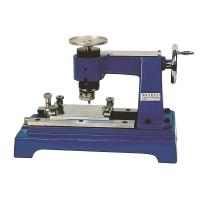
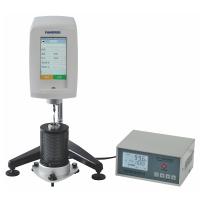
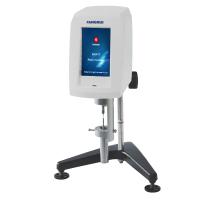
It mainly refers to the flow and sagging of the paint film when brushing on vertical workpieces or standing upright after brushing flat workpieces. This kind of defect is mostly in the form of tear marks, which not only affects the smoothness of the paint film, but also the paint film on the flowing and hanging parts is too thick, which is not easy to dry out, which affects the construction progress. There are two main reasons: one is that the viscosity of the paint liquid is too high, and the thickness of the paint film after painting is uneven (the instrument can be used: wet film wheel), and the thick part produces flow and sagging; the other is that the paint film is too thick If the paint film is too thick, especially if the paint film is too thick on the flat workpiece, it is easy to flow and hang after the workpiece is placed upright. The solution is to control the brushing viscosity within the range of 35-45 seconds (No. 4 cup viscometer 25±1°C), not too large, and the paint film should be thin and uniform when brushing to prevent the paint film from being too thick. Flowing, sagging (referring to vertical surface workpieces). When painting on flat workpieces, the amount of paint should be controlled within the range of 100g/㎡. When brushing, use horizontal and vertical brushing alternately for 1-2 times, and vertical brushing for 1-2 times to make the paint film very uniform , There will be no flow or sag after standing upright.
Two, exposed bottom
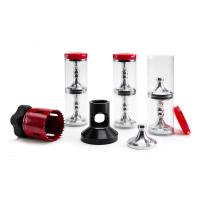
After some workpieces are painted with anti-rust paint, the bottom phenomenon often occurs, which not only affects the quality of painting, but also has poor anti-rust ability due to too thin or no paint film on the exposed bottom parts, and is prone to rust return. There are two main reasons: one is that the paint is too thin, and the paint film is too thin after brushing (the instrument that can be used: hiding power paper) will cause rot; The solution to the defect of exposed bottom: First, control the viscosity of the brushing construction. When thinning, the paint should not be too thin for the sake of brushing and labor saving, so that the adjusted paint can completely cover the bottom layer after evenly brushing. In order to prevent the exposed bottom; Second, after each workpiece is painted, a comprehensive inspection should be carried out, and if there is exposed bottom, it should be repaired and brushed evenly in time.
3. Dry too slowly
There are two main reasons why the paint film dries too slowly after brushing (applicable instrument: drying time Tester) : one is that the weather is too cold and the temperature is too low; the other is that the protective oil on the surface of the workpiece is painted to prevent rust If the paint is mixed with the protective oil, the paint film dries too slowly because the protective oil is not easy to dry. The solution is: if the temperature is too low and the paint film dries too slowly, you can add 3~5% liquid cobalt-manganese drier according to the weight of the paint to speed up the paint film drying; if the paint film dries too slowly caused by protective oil, Before painting the paint, use cotton gauze soaked in gasoline to remove the oil, and then brush it to avoid it.
4. Poor adhesion
After some antirust paints are brushed and dried, the adhesion of the paint film is very poor. That is, the paint film can be peeled off with a little force with fingernails, which seriously affects the adhesion of the top coat. The main reason is that the oil on the surface of the workpiece is not cleaned. The simple solution is to effectively remove the oil and then paint it to prevent it.