Solvent-based acrylic paint has excellent weather resistance and high mechanical properties, and is a rapidly developing paint.
Solvent-based acrylic paint can be divided into self-drying acrylic paint (thermoplastic) and cross-linking curing acrylic paint (thermosetting). The former belongs to non-conversion coatings, and the latter belongs to conversion coatings.
Self-drying acrylic coatings are mainly used in architectural coatings, plastic coatings, electronic coatings, road marking coatings, etc. It has the advantages of fast surface drying, convenient construction, obvious protective and decorative effects, etc. The disadvantage is that the solid content is not easy to be too high, the hardness and elasticity are not easy to balance, it is impossible to obtain a thick film in one construction, and the fullness of the film is not ideal.
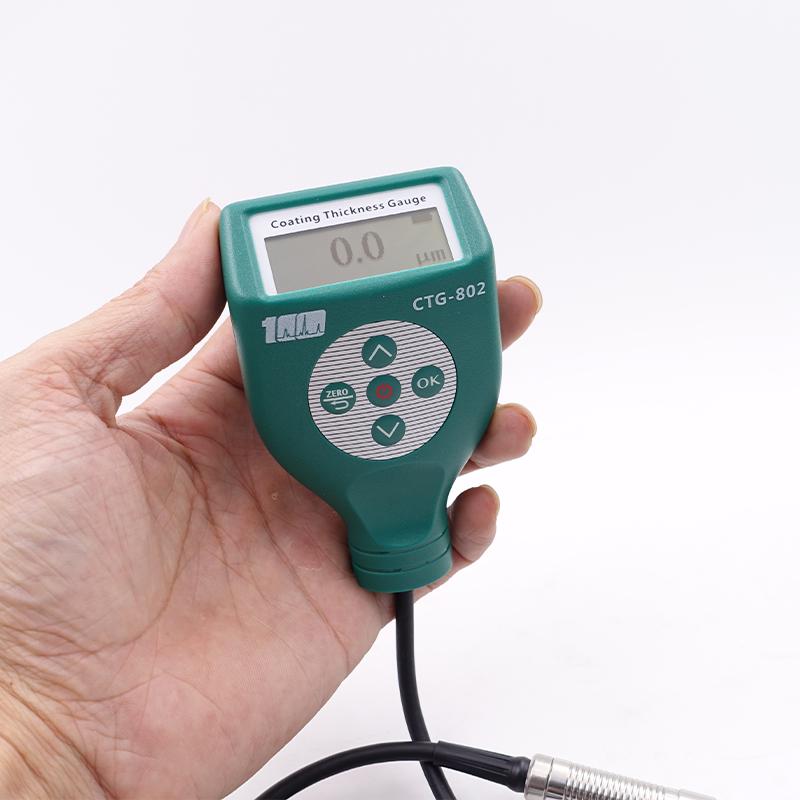
Cross-linked curing acrylic paint mainly includes acrylic amino paint, acrylic polyurethane paint, acrylic alkyd paint, radiation curing acrylic paint, etc. Widely used in automotive coatings, electrical coatings, wood coatings, architectural coatings, etc. The solids content of cross-linked cured acrylic coatings is usually very high. A single coating can obtain an extremely thick film with excellent mechanical properties, and can be made into a coating with high weather resistance, high plumpness, high elasticity, and high hardness.
The disadvantage is that the two-component coating is more troublesome in construction. Many varieties also require heat or radiation curing, which can be demanding in terms of environmental conditions. In general, better equipment and more skilled painting techniques are required.