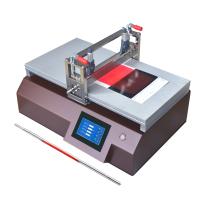
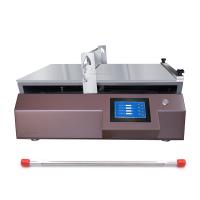
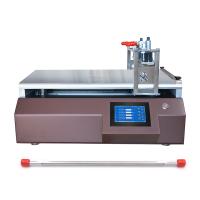
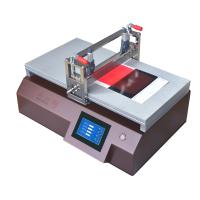
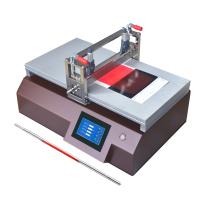
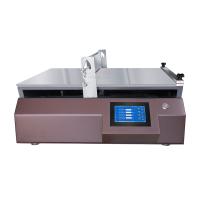
The hiding power of a film is the ability of the film to absorb and scatter light when the coating is applied to a substrate. The hiding power of a paint can be expressed in two ways, one is the minimum amount of paint required to cover a unit area, and the other is the minimum film thickness required to cover a substrate.
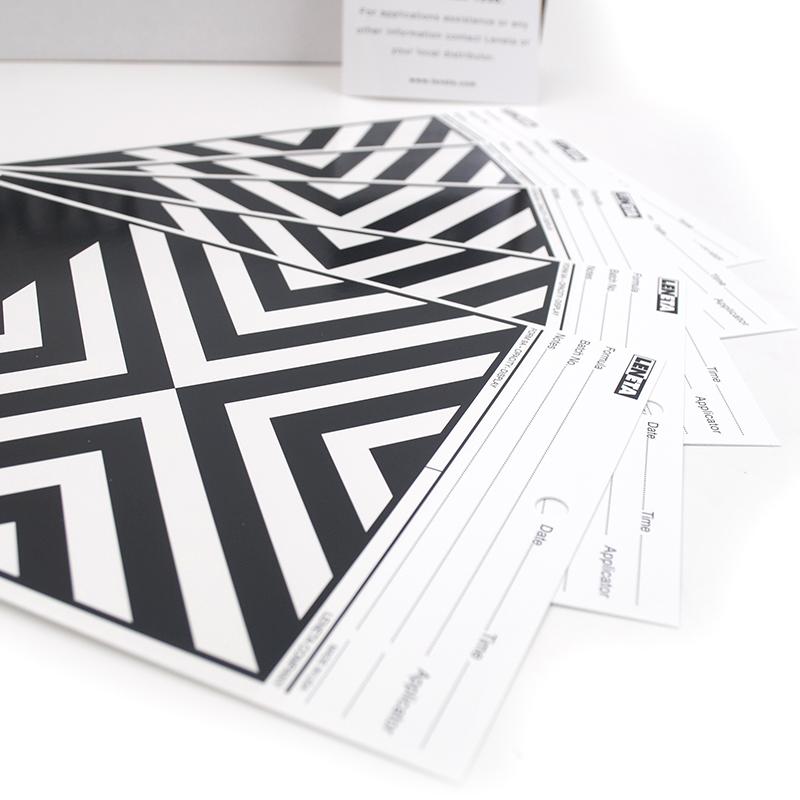
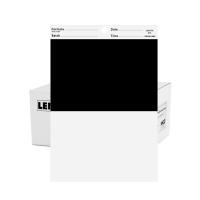
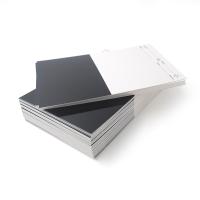
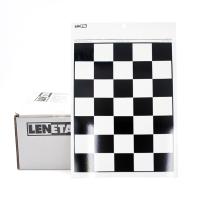
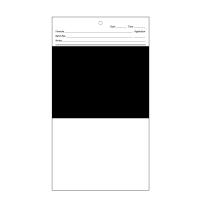
GB/T 1726-79(89) "Test Method for Hiding Power of Paint", brush or spray the paint sample to be tested on a black and white grid glass plate, calculate the minimum amount of paint covering a unit area, expressed in g/m2.
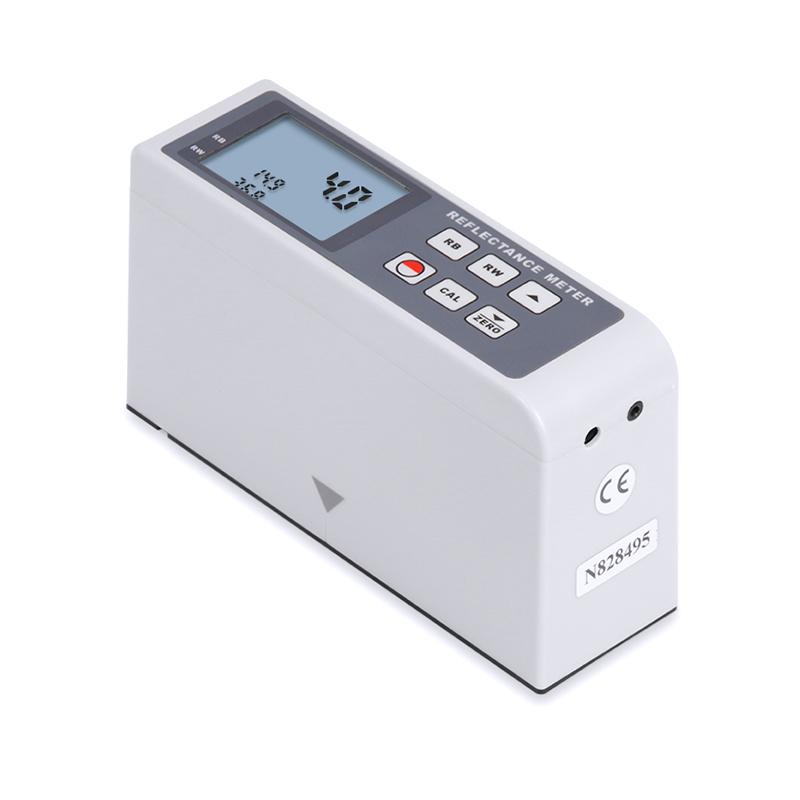
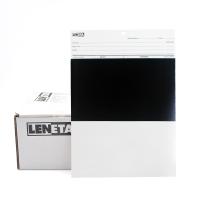
GB/T 13452.3-92 "Determination of Hiding Power of Coatings and Varnishes" uses a reflectance meter to measure the contrast of a film. The film coated on transparent paper was dried, placed on blackboard and whiteboard respectively, and its reflectance was measured. When the contrast of the film is 0.95, it is considered that the film can completely cover the substrate. When the contrast is 0.95, the covering power of the film is the coating rate (m2/L).